Building a Lead Generation Engine That Runs on Autopilot
Discover how to build a fully autonomous lead generation engine using GPT-5, Claude 4, and Gemini Ultra: cut costs, boost conversion, and see ROI in weeks.

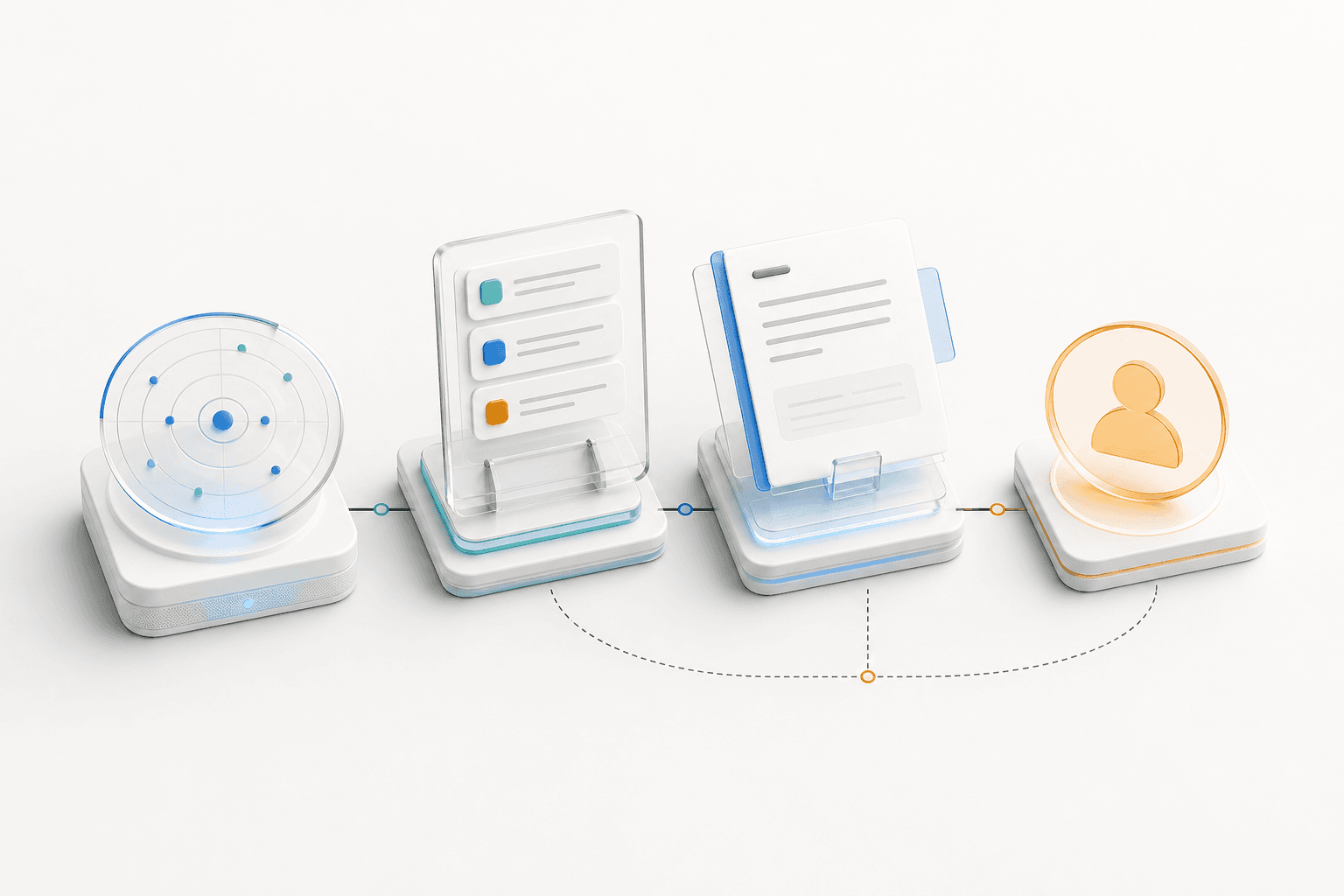
Your sales team spends hours chasing leads that go nowhere. Meanwhile, potential customers drift away because no one followed up in time. This is the gap that automated lead generation fills, and businesses that get it right see conversion rates climb while manual workload drops.
The shift happened quietly. AI tools now handle the repetitive work of identifying prospects, personalizing outreach, and keeping deals warm without a human typing every message. We built systems that generate qualified leads while founders sleep. Here's how you can too.
Why Manual Lead Generation Fails at Scale
Cold calling lists and generic email blasts used to work when competition was low. Those days are gone. Today's buyers do their own research before they ever talk to sales. By the time a lead reaches your team, they've already dismissed vendors that look generic or slow.
Manual processes break down for three reasons. First, humans cannot maintain consistent follow-up cadences across hundreds of prospects without errors. Second, sales teams prioritize closing existing deals over nurturing new ones, leaving top-of-funnel work half-done. Third, when you finally automate with basic tools, you often create noisy experiences that turn prospects off.
According to McKinsey research, companies with mature lead generation processes generate 133% more revenue on average than those with weak systems. The difference isn't budget: it's systematic execution.
Mapping Your Funnel to Automation Touchpoints
You cannot automate what you have not defined. Before you build anything, map every stage of your customer journey and identify where leads drop off.
For most B2B businesses, the funnel breaks into four zones:
- Awareness: Someone discovers your content through search, social, or ads
- Interest: They read a case study, watch a demo, or download a guide
- Consideration: They compare options and weigh pricing
- Decision: They reach out, sign up, or complete a purchase
Each zone needs a different message and a different follow-up sequence. A visitor who downloaded your pricing PDF needs different handling than someone who subscribed to your newsletter three months ago and just opened five emails in a row.
Our work with HVAC service companies in Nashville showed this clearly. When we segmented leads by behavior and triggered automated sequences based on engagement signals, appointment requests doubled within 60 days. The content stayed the same. The timing and personalization changed everything.
Designing Nurturing Sequences That Convert
A nurturing sequence is a series of messages sent over days or weeks, designed to move a lead closer to a decision. The mistake most businesses make is treating nurture emails like advertisements. They pitch instead of educate. They broadcast instead of respond.
Effective sequences follow a pattern: value first, conversation second. Start by answering questions your prospects already have. Share case studies that mirror their situation. Provide tools or assessments that help them decide. Only after you've delivered value should you ask for a call or a demo.
Segment your lists by industry, company size, or the content they've already consumed. A manufacturing company in Birmingham looking at web development services needs a different sequence than a healthcare practice evaluating AI chatbots. Generic nurture campaigns waste your best leads.
Aim for three to five touchpoints spread over two weeks. Include at least one direct call-to-action and one indirect opportunity to reply. Monitor open rates and click-through rates closely: if your sequence isn't pulling engagement by message three, something is wrong with your targeting or your content.
Measuring What Actually Matters
Vanity metrics will mislead you. Page views and email opens mean little if they do not connect to revenue. Track these instead:
- Lead-to-opportunity rate: What percentage of leads become qualified opportunities
- Time to first response: Faster response times correlate directly with higher close rates
- Nurture progression rate: How many leads move from one funnel stage to the next
- Cost per qualified lead: Divide your marketing spend by qualified leads, not total leads
Set up tracking before you launch any automated sequence. Use UTM parameters on every link. Connect your CRM to your email platform so every interaction logs automatically. Without data, you are guessing.
AI sales automation tools give you an advantage here. They can identify which prospects show buying signals and alert your team in real time, so human effort goes to the hottest leads.
Common Pitfalls to Avoid
Automating your lead generation does not mean setting it and forgetting it. Several mistakes sink most programs:
Poor lead scoring: If you treat a first-time blog visitor the same as a prospect who downloaded three guides and visited your pricing page, your sales team will waste time on low-quality leads. Build a scoring model that weights engagement signals appropriately.
Ignoring deliverability: Your emails do not matter if they land in spam. Maintain a clean list, authenticate your domain, and avoid spammy language that triggers filters.
No human handoff strategy: Automation handles the top and middle of the funnel. The bottom of the funnel still needs real conversations. Define exactly when a lead gets routed to sales and what information that handoff includes.
Setting and forgetting: Review your sequences monthly. Markets shift, messaging gets stale, and what worked last quarter may underperform this quarter.
Key Takeaways
- Map your entire funnel before you automate anything. You cannot improve what you cannot see.
- Segment your audiences by behavior and send sequences tailored to where each lead sits in the buying journey.
- Prioritize value delivery over pitching in your nurture sequences: educate, then ask.
- Track lead-to-opportunity conversion and cost per qualified lead, not just opens and clicks.
- Build a clear handoff process from automated sequences to your sales team so no opportunity slips through.
Build Your Engine Now
You have the strategy. The tools exist and are more accessible than most businesses realize. The gap between you and a functioning lead generation machine is a clear plan and the discipline to execute it.
If you want help designing the system, we can walk through your specific funnel and build sequences that match your sales process. No templates. No guesswork. Just a lead generation engine that works.
Ready to get started? Contact us to discuss how we can help your business.
Related articles
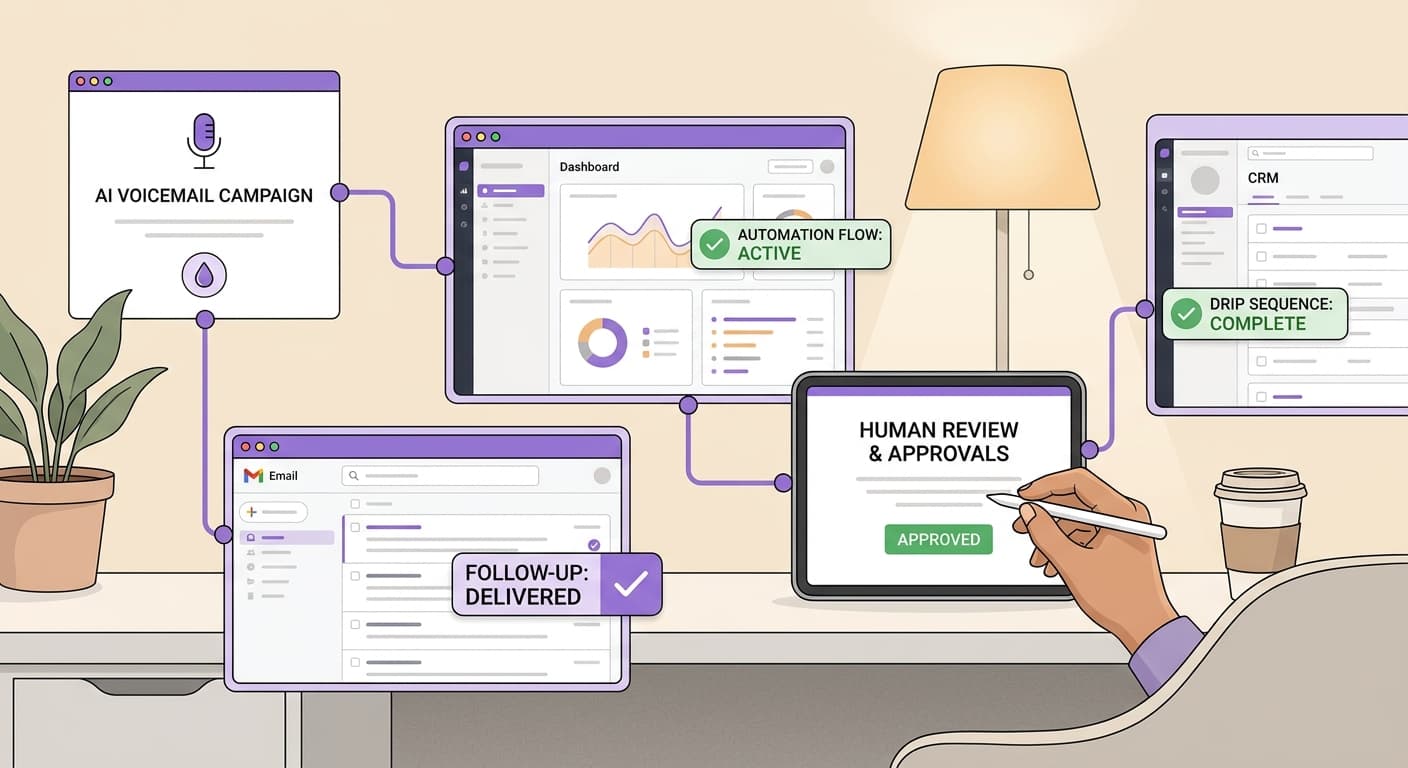
AI Voicemail and Drip Campaigns: Following Up Without Lifting a Finger
AI-powered voicemails and drip campaigns automate follow‑ups, saving 10+ hours weekly and boosting conversion rates, no manual dialing required.
Read the article: AI Voicemail and Drip Campaigns: Following Up Without Lifting a Finger
Birmingham AL HVAC Contractors: The Local SEO Playbook for the Magic City in 2026
Birmingham HVAC contractors: the Magic City is growing fast. Here is the local SEO playbook to capture more online leads.
Read the article: Birmingham AL HVAC Contractors: The Local SEO Playbook for the Magic City in 2026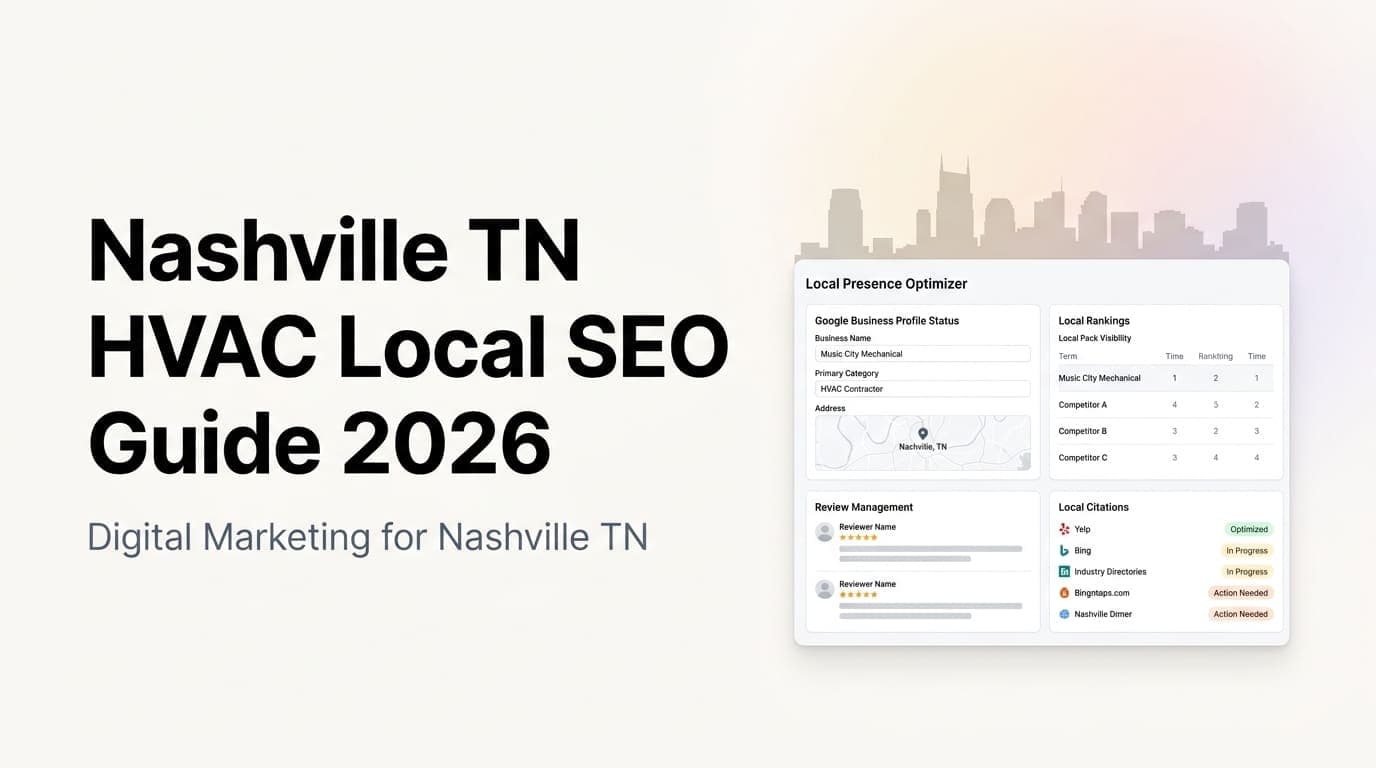
Nashville TN HVAC Contractors: Local SEO Strategies That Actually Work in 2026
Nashville HVAC contractors losing ground to out-of-town competitors. Here's the local SEO play that flips the script, no ad spend required.
Read the article: Nashville TN HVAC Contractors: Local SEO Strategies That Actually Work in 2026
