Every business will run on agents. We build yours.
The follow-ups, the inbox, the scheduling, the data entry: AnovaGrowth builds and runs AI agents that take that work on, day and night. A person on your team approves what matters, and the hours go back into growth.

Built on the platforms you already trust.
The models, hosting and tools behind every build we ship.
- Claude
- Anthropic
- OpenAI
- Vercel
- GitHub
- Stripe
- Notion
- Slack
- Cloudflare
Aurora answers live, with a six-message limit. It can explain and draft. It cannot touch real systems.

AnovaGrowth agent
Live model. Nothing here reaches real systems.
6 of 6 demo messages left. A person approves everything real.
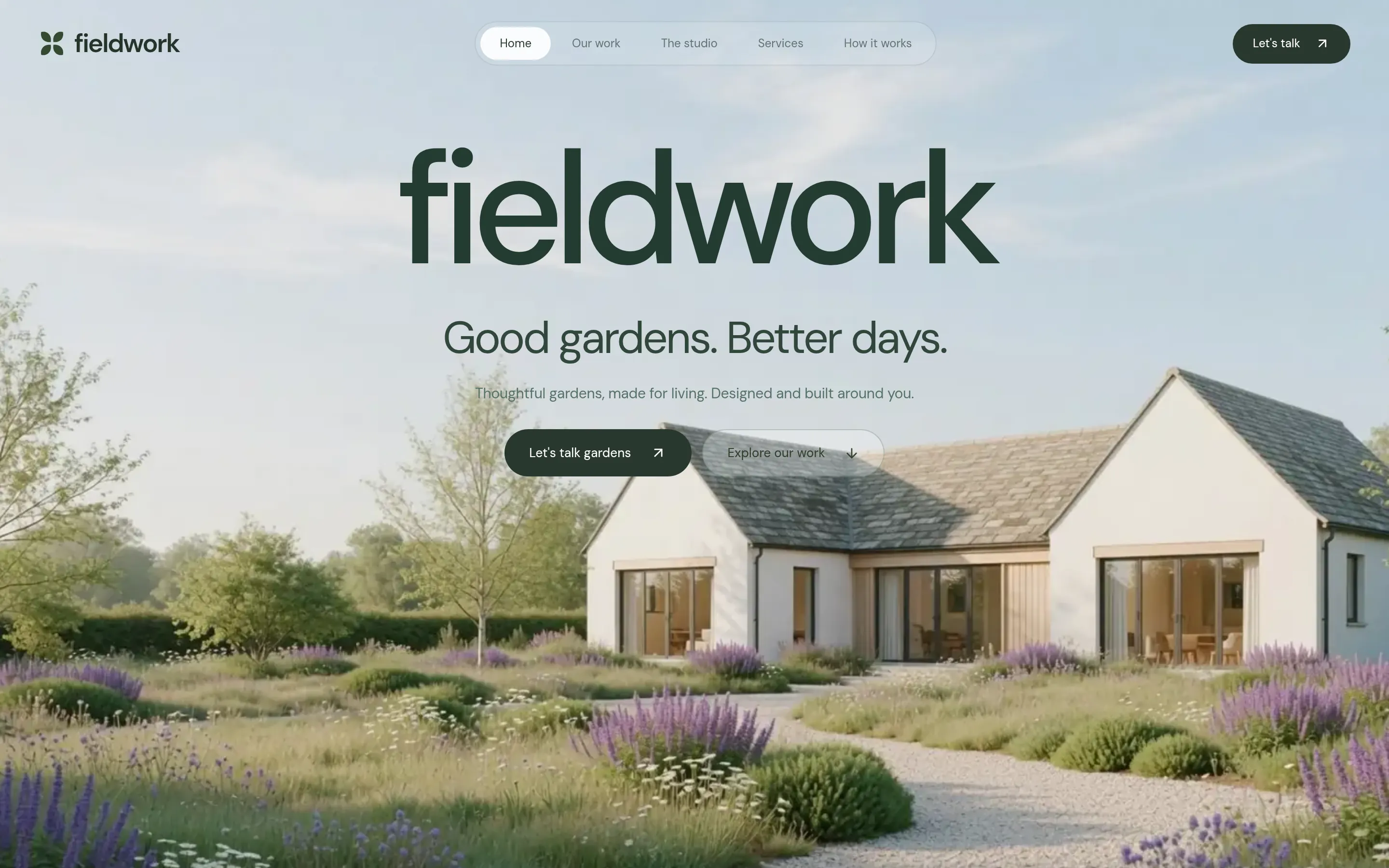
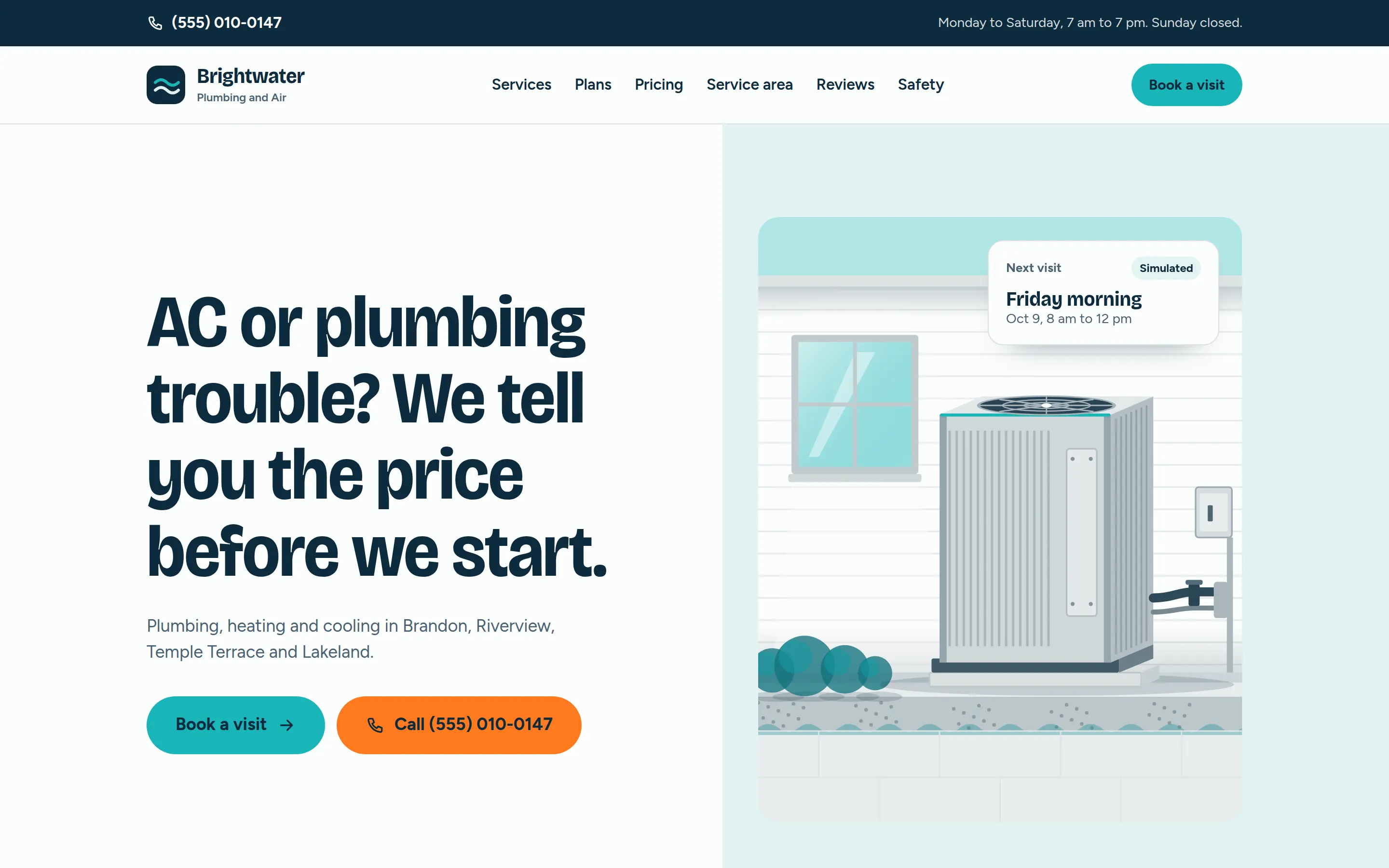
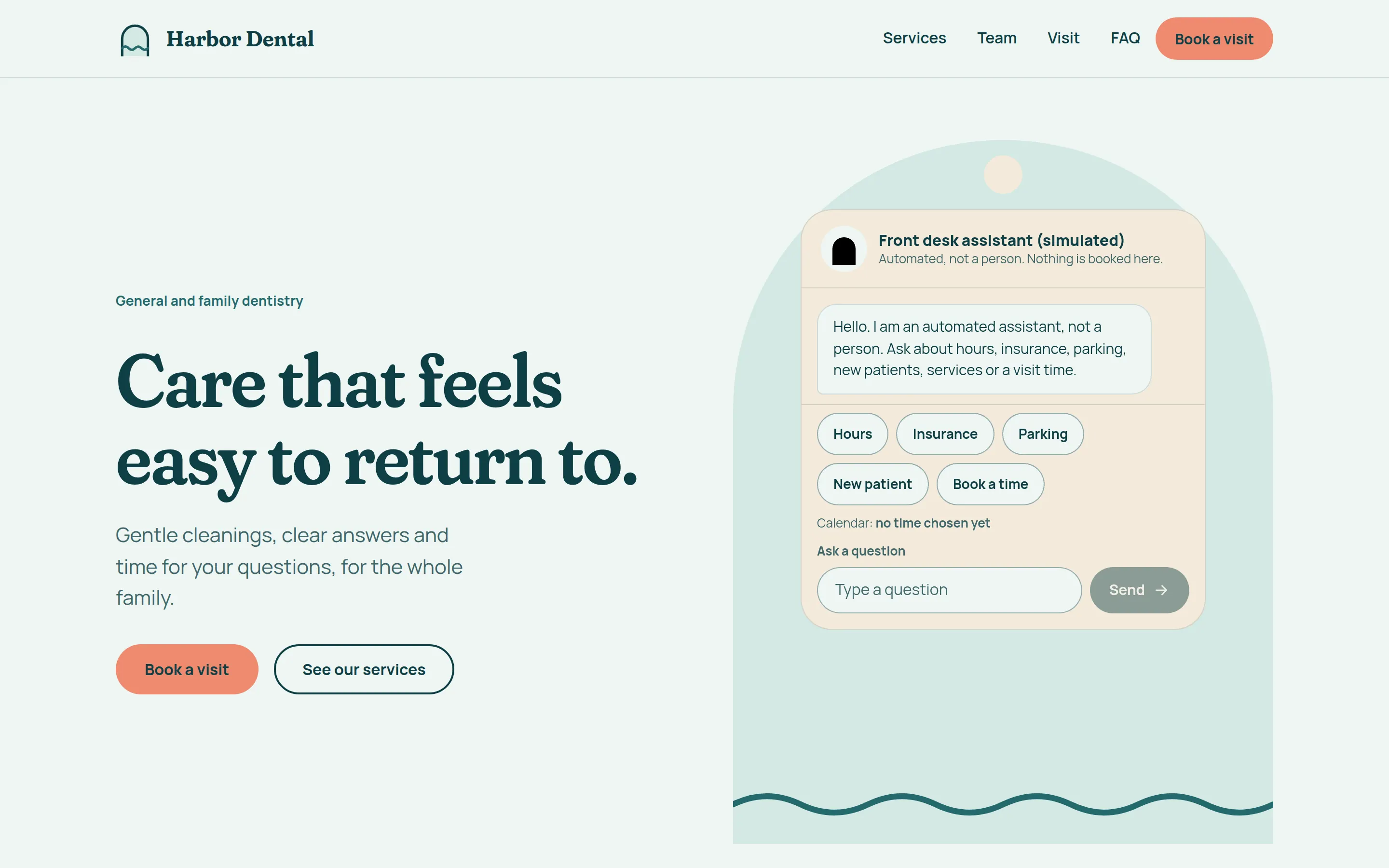
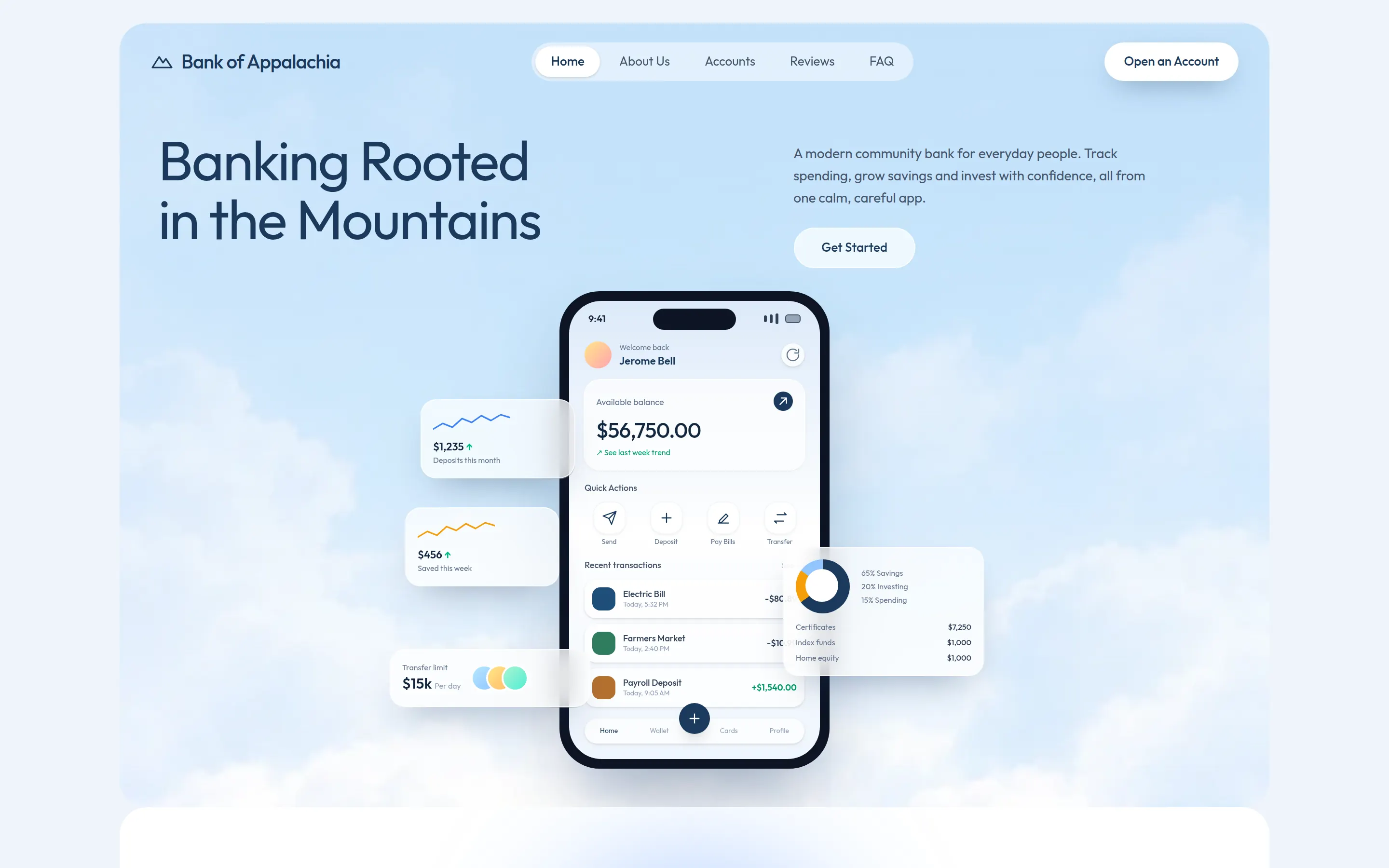
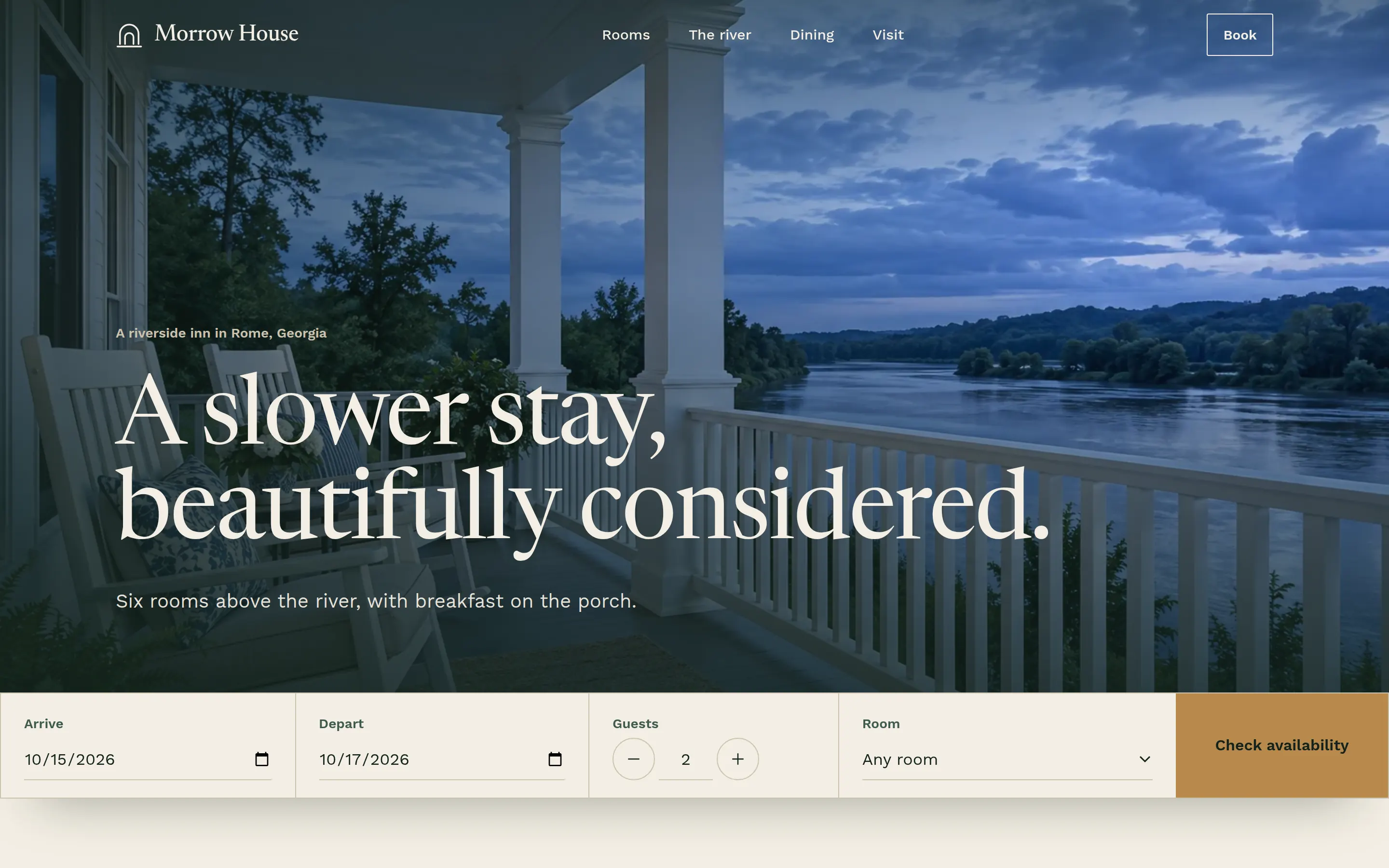
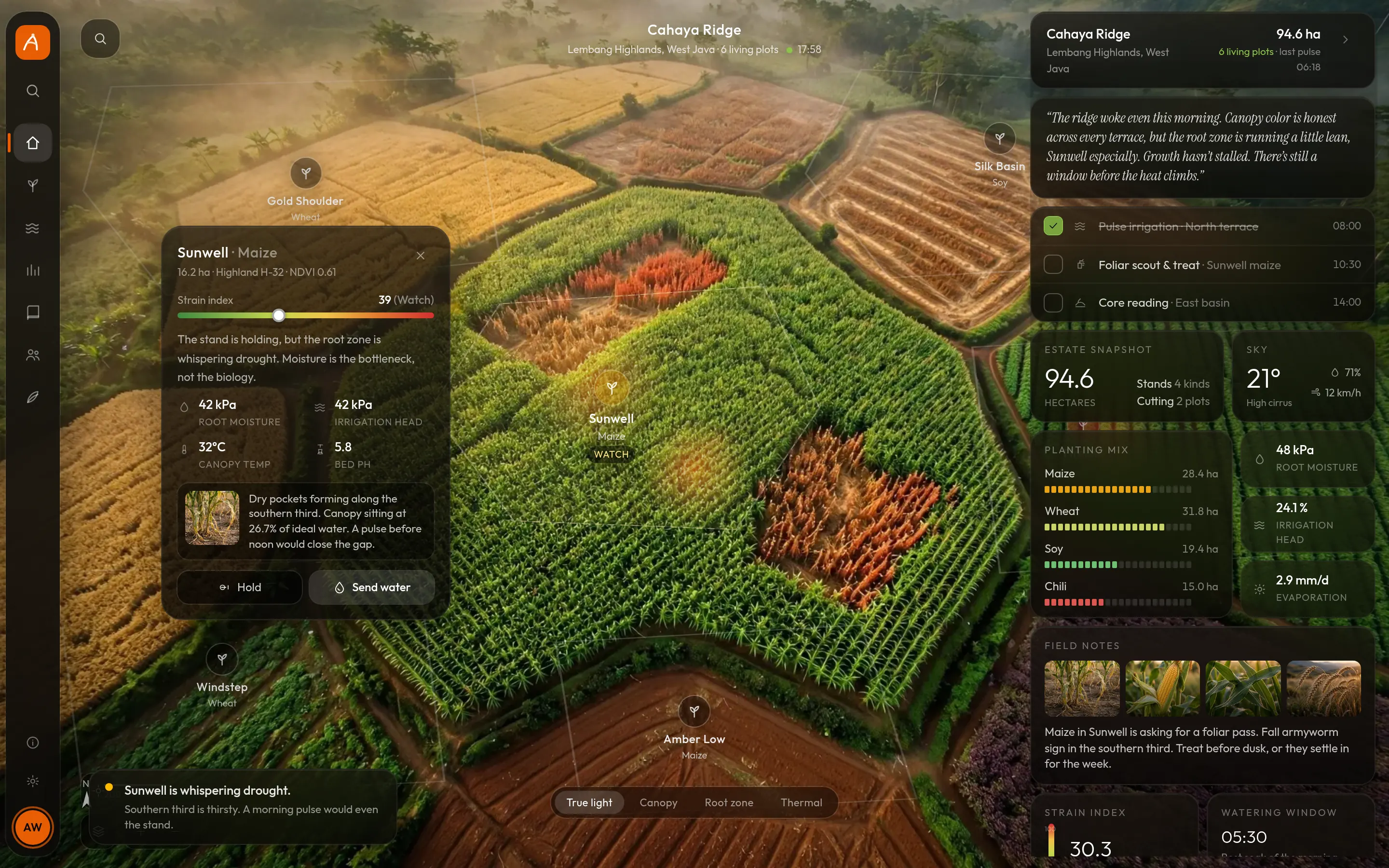
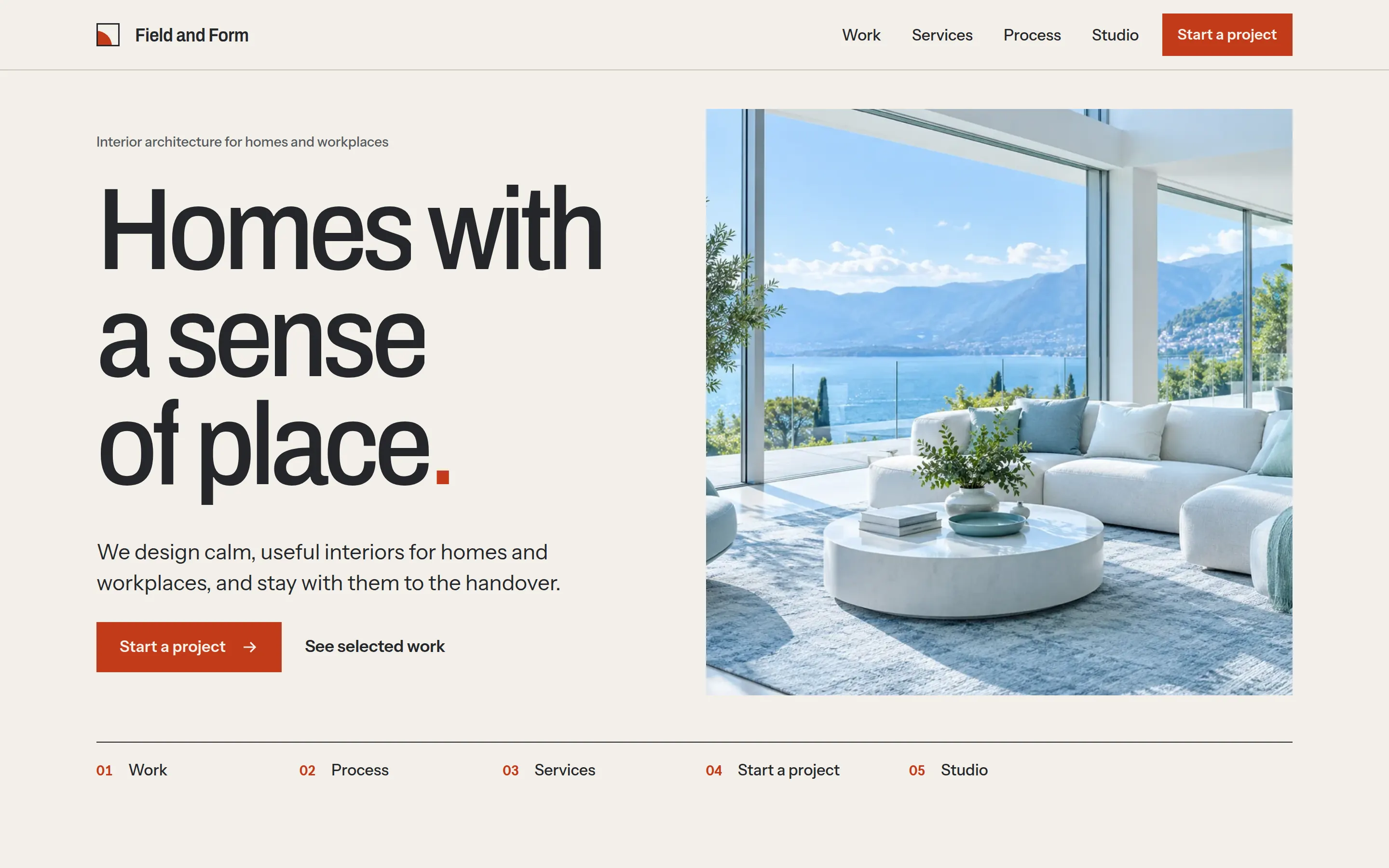
Search, proof and intake built as one path, then wired to your follow-up. Our own live product site comes first, then concept builds that show the range: a garden studio, a plumber, a dental practice, a community bank, an inn, a farm app, a store and a law firm.
See how we build websites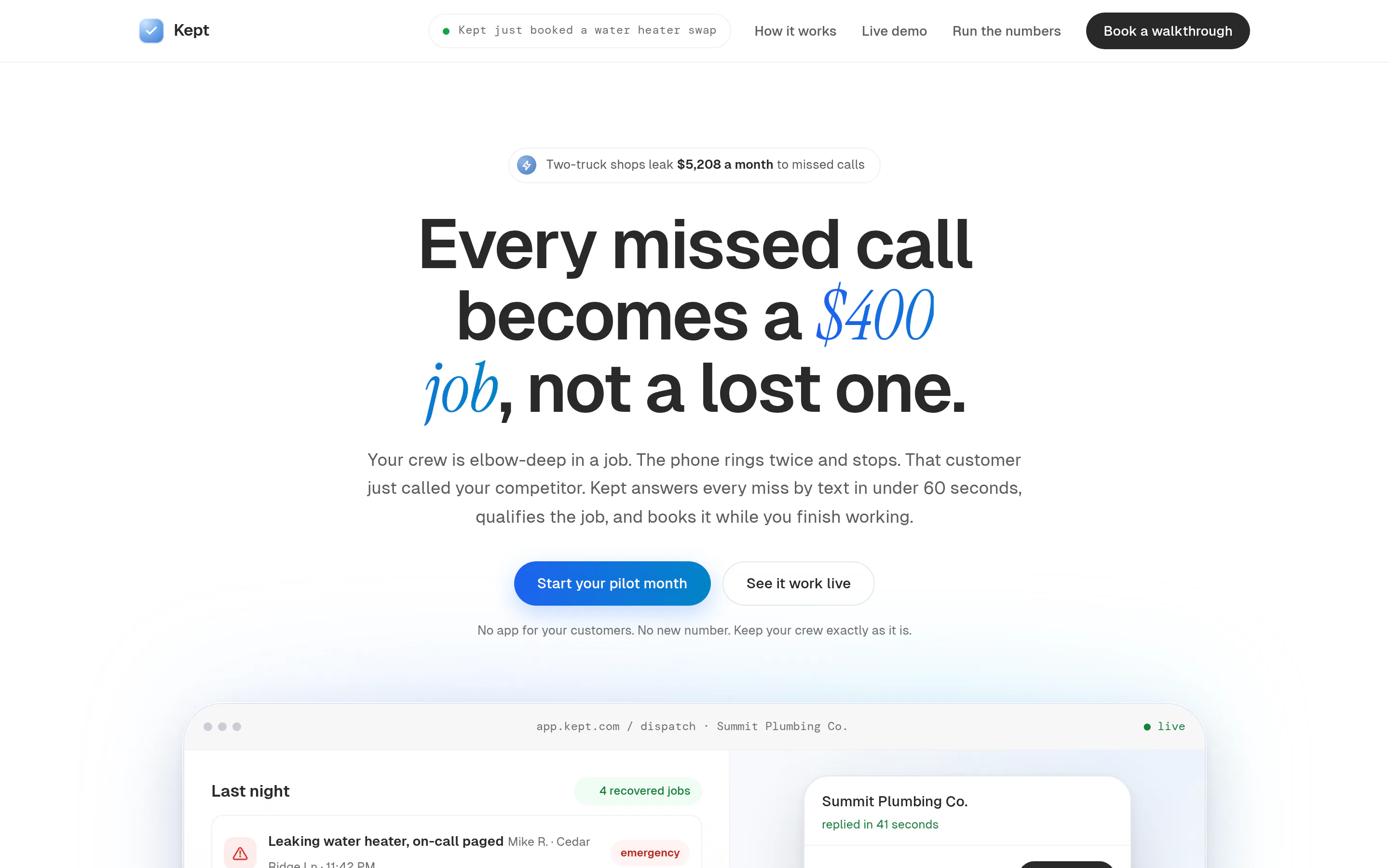

Kept
Missed-call text-back for local trades. Our product.
An agent reads the request, pulls the right context and drafts the next step. Then it waits. The person who owns the decision approves it before anything goes out.
The inquiry and reply channel stay together.
Approved sources are attached for review.
A clear next step is ready, but not sent.
The decision remains with the assigned owner.
The owner makes the final call.
The prepared action keeps its source context and remains unsent.
When a lead lands, the CRM, calendar and inbox should already agree. When no tool fits the job, we build the one that does.
Workflow automation
Your CRM, inbox and calendar stay in sync, with a record of every handoff.
See automationCustom software
Portals, dashboards and internal tools shaped around the work your team repeats.
See custom softwareSearch visibility
Pages built so people, and the AI assistants they ask, can find you and understand what you do.
See search visibility

The price is quoted in writing before work starts. Nothing an agent prepares goes out until a person on your team approves it.
- 1
Discovery call
30 minutes
We learn your bottlenecks, your tools and what a good outcome looks like, and tell you straight if we are a fit.
- 2
Strategy and scope
3 to 5 days
You get a written plan with the architecture, the timeline and a fixed quote. Nothing gets built until you approve it, and the number holds unless the scope changes.
- 3
Build and iterate
4 to 8 weeks
Weekly sprints with a working demo every Friday. Your feedback shapes the next sprint, and we carry the technical load.
- 4
Launch and support
Ongoing
We handle the production launch, stay on for 30 days of support, then tune the system on real usage.

Start with an AI Operations Audit. We find the work eating your team's week and hand you a written plan to take it off their plate, so the time and money go back into growing.
What is ten hours a week worth to you?
$52,000a year, from 10 hours a week at $100 an hour.
What does an AI agent do for a business?
It handles the repeat work between your tools, day and night. It answers new leads, drafts customer replies, books appointments and keeps your CRM current. Each agent pulls the right context, prepares the next step, then waits. A person on your team approves the work before anything goes out.
How much does an AI agent cost?
It depends on how many tools the work touches and how much of it needs a person to review. The work is priced to the job and quoted in writing before anything starts, and nothing gets built until you approve the plan.
How long does it take to build?
The discovery call takes about 30 minutes. A written plan with the architecture, timeline and price follows in 3 to 5 days. Most builds take 4 to 8 weeks once the plan is approved, with a working demo every Friday. The exact dates go in the written plan.
Will the agents work with the CRM and tools we already use?
That is how they are built. Agents work inside the CRM, inbox and calendar your team already uses. Before the build, we check what each tool lets an agent read and change, and the written plan lists every connection.
What happens after launch?
Every launch includes 30 days of support. After that, we can keep running and tuning the agents for you, or hand everything to your team.
How do you measure whether it worked?
We pick the measure with you before the build, such as hours your team spends on the task or how fast new leads get a reply. We record where it stands before launch and check it again on real usage, so you can see what changed.