Nashville's New Tourism Board: The Operations Playbook for Hospitality Growth
Nashville's new tourism board signals hotels, venues, and service operators to tighten booking, follow-up, and mobile conversion before demand rises.

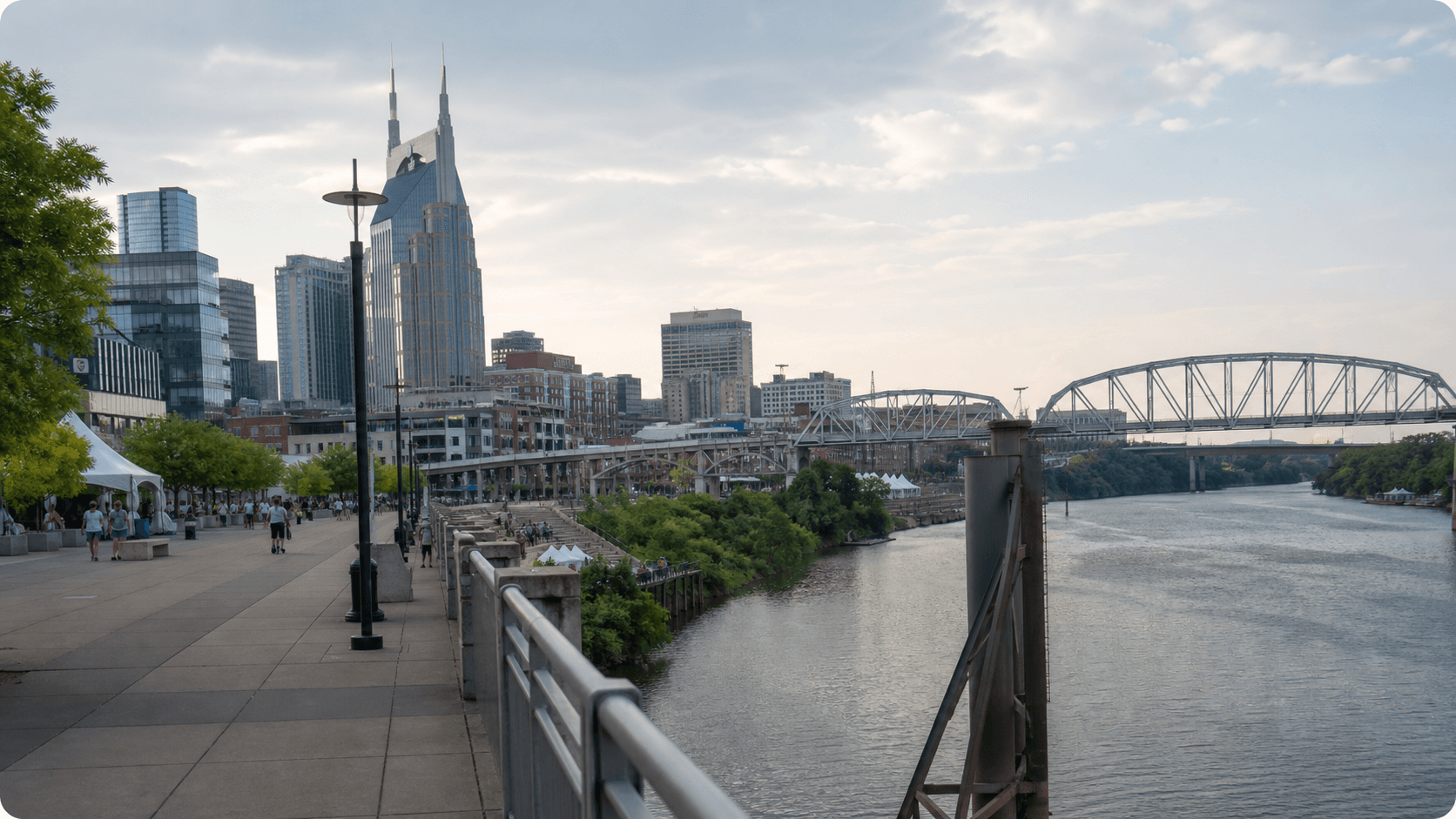
Nashville hospitality operators do not need more software clutter this quarter. They need cleaner execution. The city's new tourism board, announced on June 26, 2026, is a practical signal that more downtown event funding, public-safety coordination, and visitor demand planning are moving into a new phase. If your booking flow, guest follow-up, and website conversion path still depend on scattered inboxes and manual callbacks, that demand gets expensive fast.
Quick answer: Nashville hotels, venues, restaurants, and event-led service businesses should use this moment to tighten booking capture, mobile conversion, and back-office handoffs. The fastest wins usually come from improving response speed, automating repetitive guest communication, and connecting the systems that break when volume spikes.
Start with the Nashville market page, where healthcare, music, hospitality, and tech are already the core operating lanes. For hospitality specifically, the local advantage is not just brand energy. It is how quickly you turn attention into confirmed bookings and clean internal follow-through.
What Happened in Nashville This Month
On June 26, 2026, Axios Nashville reported that a new Joint Capital Tourism Board was formed to control millions of downtown tourism development zone dollars tied to recruiting new events and supporting public-safety initiatives around Nashville's visitor economy. That matters because the board's decisions sit directly next to the event and downtown infrastructure that businesses depend on when convention, entertainment, and tourism traffic rises.
That story is more important when you pair it with Music City Center's current expansion track. The convention center says demand is outpacing available space and that its expansion study supports adding 587,000 square feet, including 300,000 square feet of exhibit, ballroom, and meeting space. Even before new square footage arrives, the direction is obvious: Nashville is planning around continued visitor and event demand, not a plateau.
For operators on the ground, that means the bottleneck shifts from awareness to execution.
- Can people book, inquire, or request a proposal without friction?
- Does your team respond fast after hours?
- Are guest updates and internal handoffs still copied manually?
- Can your site convert mobile visitors during compressed event windows?
If the answer to any of those is no, demand growth is not just upside. It is strain.
Why This Matters for Nashville Operators
The Nashville page is built around four local industry realities that connect directly to this moment:
- Hospitality and tourism traffic moves in bursts, not smooth weekly patterns.
- Music and event businesses live or die on timing, coordination, and follow-up.
- Healthcare and B2B operators still compete for the same attention and staffing pool.
- Manual admin work gets exposed first when the city gets busier.
That applies to boutique hotels, group-stay operators, event venues, private dining groups, tour operators, med spas, transportation services, and B2B vendors serving the downtown event economy.
If a visitor lands on your site, calls after hours, or asks for availability and you cannot give a useful next step immediately, the lead usually does not wait.
Decision Table: What To Tighten Before Demand Rises Again
| Workflow | Common manual pattern | Better system | Primary payoff |
|---|---|---|---|
| Inquiry and booking capture | Calls, forms, email, and DMs live in separate places | Unified intake with automatic routing and instant acknowledgment | Fewer dropped opportunities during event weeks |
| Website conversion | Mobile pages load slowly or hide the next step | Conversion-focused web development with clear booking and inquiry paths | More qualified leads from high-intent traffic |
| Guest and lead follow-up | Staff send confirmations and reminders by hand | Triggered AI automation for confirmations, reminders, and re-engagement | Better show rates and less manual chasing |
| Internal handoffs | Sales, ops, and service teams re-enter the same details | Connected workflow automation across forms, CRM, calendars, and notifications | Less admin drag and fewer dropped details |
If you only fix one layer this month, fix speed-to-lead. Nashville demand is increasingly event-driven, and slow follow-up is usually the most expensive failure point.
Where Nashville Hospitality Teams Usually Break
1. The Mobile Booking Path Is Too Fragile
Downtown demand often starts on a phone. Someone is comparing options between meetings, checking availability from a hotel lobby, or deciding where to go after an event. If the site feels slow or unclear, the lead leaks before your team even sees it.
That is why hospitality-focused web development should prioritize obvious calls to action, fast page loads, clean forms, and booking paths that make sense on a phone first.
2. Follow-Up Slows Down When the City Gets Busy
The exact weeks that create the most opportunity also create the most internal chaos. Staff gets pulled into service. Phones stack up. Voicemails sit. Leads arrive across too many channels.
This is where AI automation earns its keep. Instant acknowledgments, structured intake, after-hours replies, and reminder flows can keep demand moving without pretending everything should be fully autonomous.
3. Revenue Handoffs Still Depend on Memory
Hospitality businesses often run on separate tools for booking, calendars, lead forms, CRM records, staff notes, and guest communication. The result is predictable: duplicate work, missed details, and slower service recovery.
For most Nashville operators, workflow automation is the fastest practical fix because it connects the existing stack instead of forcing a total platform change in the middle of busy season.
How This Plays Out by Industry
Hospitality and Hotels
Properties and short-stay operators need a cleaner booking and confirmation path. The goal is not flashy tech. It is fewer abandoned inquiries, faster confirmations, and better guest communication before arrival.
Venues and Entertainment Operators
Music City businesses live on scheduling, coordination, and proposal speed. A better intake and follow-up system matters because leads often come in bursts around events, private bookings, or artist-related demand windows.
Restaurants and Experience-Based Brands
For operators selling reservations, private dining, classes, tours, or event packages, the fastest growth usually comes from reducing lag between first interest and confirmed next step.
Service Vendors Selling Into the Event Economy
Florists, transport providers, production teams, event staffing firms, and premium service vendors win when proposal requests get routed quickly and internal tasks do not vanish between sales and execution.
Practical Questions to Answer This Week
- How long does it take a high-intent lead to get a useful response after hours?
- Can a mobile visitor request a room block, private event, or reservation in under 30 seconds?
- Which guest or prospect updates are still typed manually every day?
- What breaks first when downtown traffic jumps because of a major event week?
- Where does your team still rely on memory instead of a system?
If those answers are fuzzy, your operation is probably too manual for the direction Nashville is heading.
A Practical 30-Day Nashville Rollout
Week 1: Audit Every Entry Point
List every way someone can reach you: phone, form, booking engine, email, social DM, event referral, concierge referral.
Week 2: Fix the Conversion Layer
Tighten core pages, remove dead-end clicks, and make your booking or inquiry path obvious on mobile.
Week 3: Automate the Highest-Volume Follow-Up
Start with confirmations, reminder sequences, after-hours responses, and internal task creation.
Week 4: Connect the Back Office
Push intake data into the CRM, calendars, staff notifications, and reporting so your team is not re-entering the same context all week.
For a related market example, read Pensacola Airport Expansion: The Digital Playbook for Gulf Coast Summer Demand. The cities are different, but the operating problem is similar: demand spikes reward fast booking paths and punish slow follow-up. For a narrower operational fix, Appointment Scheduling Automation for Service Businesses shows what a cleaner booking flow looks like once you stop treating scheduling like inbox work.
What This Means for Nashville Right Now
The new tourism board is not just a civic headline. It is a local operating signal. Nashville is continuing to organize around visitor demand, event recruitment, and downtown infrastructure. Businesses that tighten response speed, booking flow, and workflow handoffs now will be in a better position than the ones that wait until the next demand surge exposes every manual gap.
That is the practical opportunity in Nashville this month.
Need a Nashville-specific plan? Start with our Nashville page, review our workflow automation services, or contact us to identify the one guest or booking workflow that is slowing your team down first.
Sources
Related articles
Panama City's Reef Expansion: The Booking Playbook for Stronger Fall Demand
Panama City operators should use the new reef expansion push to tighten booking, follow-up, and mobile conversion before fall fishing and dive demand rises.
Read the article: Panama City's Reef Expansion: The Booking Playbook for Stronger Fall Demand
Pensacola Airport Expansion: The Digital Playbook for Gulf Coast Summer Demand
Pensacola's new airport investment is a signal for Gulf Coast businesses to tighten booking, follow-up, and local visibility before summer demand peaks.
Read the article: Pensacola Airport Expansion: The Digital Playbook for Gulf Coast Summer Demand
Columbia Small Business Week 2026: Turn Local Momentum Into Automated Growth
Columbia's Small Business Week push is a clear signal: local teams that automate intake, follow-up, and operations will scale faster this year.
Read the article: Columbia Small Business Week 2026: Turn Local Momentum Into Automated Growth
