AI Weekly: The Model Wars Heat Up as Anthropic and OpenAI Trade Releases
Claude Opus 4.7 and GPT-5.4-Cyber headline a busy week of model releases, enterprise agent platforms, and AI threat cooperation.


The AI industry isn't slowing down. This past week saw major model releases from Anthropic and OpenAI, new enterprise agent infrastructure, and a surprising level of cooperation between rivals to protect their technology. Here's what business leaders need to know.
Anthropic Releases Claude Opus 4.7
Anthropic fired the latest shot in the AI model wars with Claude Opus 4.7, released on April 16. The company claims it narrowly retakes the crown as the most powerful generally available large language model, with particular gains in advanced software engineering tasks.
For businesses, this matters because the gap between leading models continues to narrow. Opus 4.7 shows that Anthropic isn't conceding the enterprise market to OpenAI, and companies evaluating AI tools now have another top-tier option for complex reasoning and coding work.
OpenAI Counters with GPT-5.4-Cyber
Just two days earlier, OpenAI unveiled GPT-5.4-Cyber, a specialized model that appears focused on security applications. The timing, coming a week after Anthropic's announcement, signals how competitive the race has become.
For decision-makers, the key takeaway is that model specialization is accelerating. Rather than one model doing everything well, we're seeing purpose-built variants for specific domains like cybersecurity, coding, and enterprise workflows.
xAI Enters the Voice API Market
Elon Musk's xAI launched standalone Speech-to-Text and Text-to-Speech APIs on April 18, expanding beyond its core Grok chatbot. The offering supports 25 languages and targets enterprise voice developers.
This is notable because it puts xAI in direct competition with established players like Google and AWS in the voice API space. More options typically mean better pricing and innovation for businesses building voice-enabled applications.
Claude Managed Agents Simplify Enterprise Deployment
Perhaps the most practical news for businesses: Anthropic launched Claude Managed Agents in public beta, promising to cut enterprise AI agent deployment from months to days. The platform provides built-in infrastructure, sandboxing, and tools for running autonomous AI agents at scale.
This addresses a major pain point. Most companies struggle to move from AI pilots to production because building agent infrastructure is complex. A managed solution could accelerate adoption significantly.
Rivals Unite Against AI Threats
In an unusual move, OpenAI, Anthropic, and Google began sharing threat intelligence to detect and block Chinese competitors from using their API outputs to train imitation models, a technique called "distillation."
The cooperation through the Frontier Model Forum shows that even fierce competitors recognize shared threats. For businesses, it signals that AI companies are taking intellectual property protection seriously, which could reduce risk for enterprise customers.
Anthropic Enters the Policy Arena
Anthropic formed a political action committee (AnthroPAC) with a reported $20 million commitment to influence AI policy and regulation. This follows similar moves by other tech companies and reflects the industry's recognition that regulatory outcomes will shape AI's future.
Business leaders should expect AI regulation to remain in flux, with companies actively lobbying for favorable frameworks. Staying informed on these developments will be critical for compliance and strategic planning.
Key Takeaways
-
The model gap is closing. Anthropic and OpenAI are trading blows with increasingly capable releases. Your vendor choice matters less than your implementation strategy.
-
Enterprise agents are maturing fast. Managed agent platforms like Claude Managed Agents remove deployment friction, making it easier to move from pilot to production.
-
Cooperation coexists with competition. Even as companies battle for market share, they're collaborating on shared challenges like security and policy influence.
-
Specialization is the trend. Models are increasingly purpose-built for specific domains. Evaluate tools based on your specific use case, not general benchmarks.
The Bottom Line
This week's developments show an AI industry that's both intensely competitive and rapidly maturing for enterprise use. The tools are getting better, deployment is getting easier, and the major players are investing heavily in both technology and policy influence.
If your business has been waiting for AI to stabilize before adopting, that wait is over. The question now isn't whether to deploy AI, it's how to do it effectively and securely.
Ready to put these AI advances to work for your business? Contact us to discuss how we can help you implement AI automation and agents, or explore our AI services to learn more.
Related articles
Claude Opus 4.7 Released: Anthropic's Most Powerful AI Model for Software Engineering
Anthropic released Claude Opus 4.7 with coding gains, enhanced vision, and better long-running tasks for AI agents and dev workflows.
Read the article: Claude Opus 4.7 Released: Anthropic's Most Powerful AI Model for Software Engineering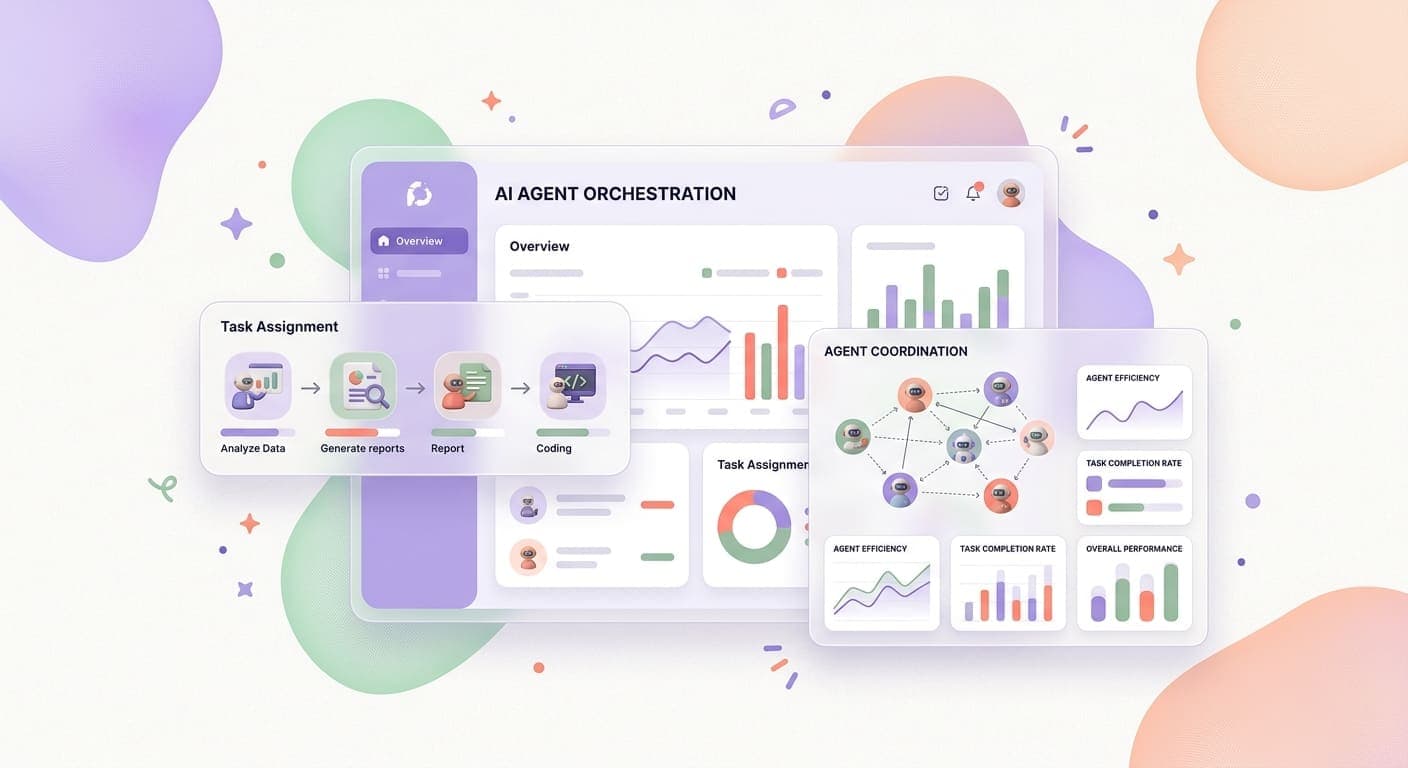
Claude Managed Agents Are Here: Build Your AI Employee in 2026
Anthropic just made AI agents stupidly easy to deploy. Here's what that means for your business and why the window to own this in your market is closing fast.
Read the article: Claude Managed Agents Are Here: Build Your AI Employee in 2026
AI Competitor Monitoring for Service Businesses: Track Public Signals Without Hiring an Analyst
AI competitor monitoring scrapes public data so service businesses can track competitor pricing, services, reviews, and marketing in real time without manual research.
Read the article: AI Competitor Monitoring for Service Businesses: Track Public Signals Without Hiring an Analyst
