Data Centers in Rome GA: What Locals Are Really Worried About
Rome residents have real questions about power, water, noise, and traffic from new data centers. Here's the practical breakdown.

Why Rome Residents Are Asking Questions
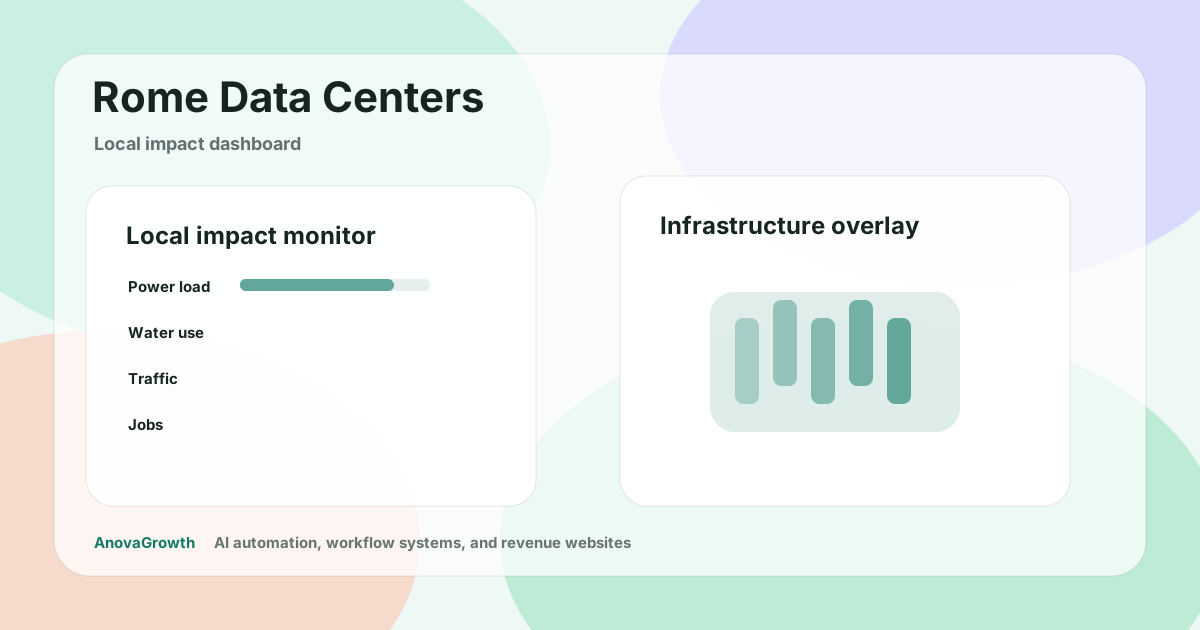
New data center projects are moving into the Rome area. With any large infrastructure project comes legitimate questions about how it affects daily life. Power bills, water supply, road traffic, and noise levels are the main topics showing up in local conversations.
This isn't panic. It's normal for people to want straight answers before major changes hit their community.
Power Grid and Electricity Costs
Data centers use a lot of electricity. That's the nature of the industry. The concern in Rome is whether new facilities will drive up rates for everyone else or strain the existing grid during peak summer months.
Local utilities have said they are planning capacity upgrades. For businesses, the real question is whether these projects create more reliable power overall or just add competition for the same resources. Early indications point to new transmission lines being added specifically to support the data centers, which can help stabilize the grid for the whole area.
Water Usage and Local Supply
Cooling systems in data centers require water. Rome sits near the Coosa River system, so availability isn't the immediate crisis some fear. The bigger issue is how much water gets used during drought periods and whether that affects residential or agricultural use.
Most modern facilities are moving toward closed-loop or air-cooled systems that cut water consumption dramatically compared to older designs. Still, residents want transparency on actual usage numbers once these centers come online.
Noise, Traffic, and Quality of Life
Construction traffic and eventual operations bring noise and truck activity. Rome's smaller-town feel makes these changes more noticeable than they would be in Atlanta.
The sites being developed are mostly on the outskirts, which helps. Local planning commissions are requiring buffer zones and noise mitigation. The bigger ongoing impact will be delivery trucks and maintenance vehicles once the facilities are running.
Economic Upside for Local Businesses
Data centers bring jobs during construction and a smaller number of permanent high-skill positions. The real local opportunity is in the supply chain and support services that grow around them.
Rome businesses that provide electrical work, HVAC maintenance, security, landscaping, and logistics can position themselves now. The facilities also increase demand for housing and retail in the surrounding area.
What This Means for Rome Companies
If you run a business in Rome, treat the data centers as both a potential customer and a competitor for resources. Start conversations with facility operators about local vendor programs. Many large tech companies have formal supplier diversity initiatives.
At the same time, keep an eye on utility rate cases and zoning decisions. The companies that stay informed will be the ones that capture the upside while managing the downsides.
The projects are real. The concerns are reasonable. The outcome depends on how well local government, residents, and businesses coordinate as these facilities come online.
Want help positioning your Rome business for the changes ahead? Talk to us about local automation and systems work that actually moves the needle.
Related articles

Data Centers Are Coming to Rome, GA, What It Means for Local Business
Billions in data center investment are headed to Floyd County. Here's what Rome business owners should know about the economic ripple effects.
Read the article: Data Centers Are Coming to Rome, GA, What It Means for Local Business
Chattanooga's Tech Startup Scene and Why It Works
America's Gig City has a startup scene punching above its weight. Here's what's driving Chattanooga's tech growth and who's building there.
Read the article: Chattanooga's Tech Startup Scene and Why It Works
How to Make Your Southeast Service Business Sellable for Maximum Value
Most Southeast service business owners leave 30-50% of sale value on the table because the business cannot run without them. Here is the prep checklist that changes that.
Read the article: How to Make Your Southeast Service Business Sellable for Maximum Value
