Data Centers Are Coming to Rome, GA, What It Means for Local Business
Billions in data center investment are headed to Floyd County. Here's what Rome business owners should know about the economic ripple effects.

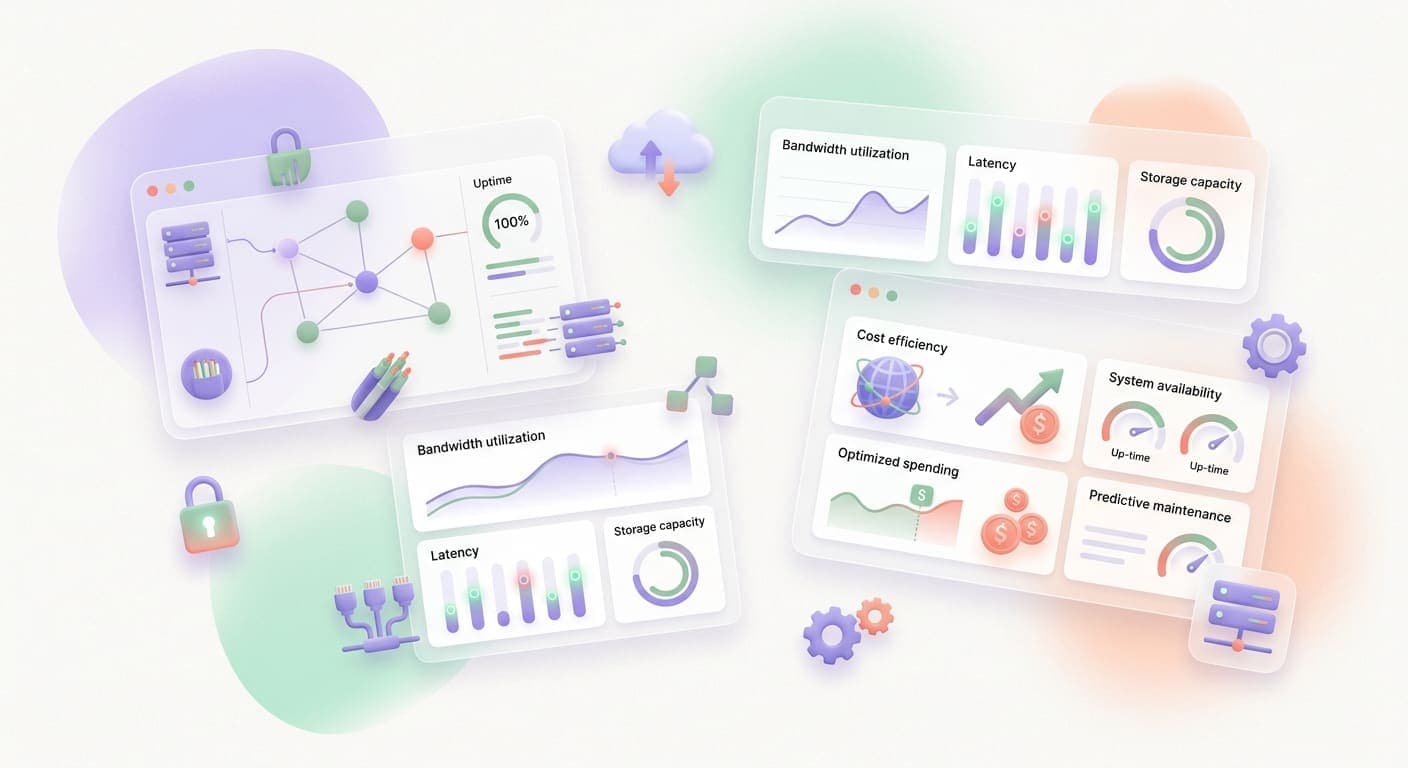
Rome Is About to Change
If you own a business in Rome, Georgia, you've probably heard the buzz. Multiple data center projects worth billions of dollars are headed to Floyd County, and the effects will ripple through every corner of the local economy.
This isn't a rumor. Deals have been signed, land has been purchased, and construction timelines are already in motion. Here's a straightforward look at what's happening, what it means for local businesses, and what to watch for.
What's Actually Being Built
Three major data center projects are in various stages of development in the Rome area:
Microsoft, Project Firecracker
Microsoft is building a data center campus on 347 acres off Huffaker Road in unincorporated Floyd County. The investment? Roughly $1 billion. The company purchased the land at $40,000 per acre and has committed to creating at least 150 permanent jobs, though Microsoft's community engagement director noted they tend to "under-promise and over-deliver" on job numbers.
The project timeline puts completion somewhere in the 2027–2028 range, with design, site preparation, and construction phases already underway. Microsoft has pledged to cover all infrastructure costs, power, water, roads, so that ratepayers and taxpayers don't foot the bill.
A 12-year partial tax abatement on buildings and a 9-year abatement on equipment sweeten the deal for Microsoft, though the company will still pay property taxes and county school taxes on the increased land value.
Atlas Development, Project Gracie
Atlas Development agreed to purchase 100 acres at the Battey Business Complex, the former Northwest Georgia Regional Hospital site, for $5.7 million. Over $7 million in federal grants already funded asbestos removal and demolition on the property, clearing it for redevelopment.
The bigger picture: Atlas has plans for a 2.4 million square-foot data center campus spread across seven buildings near Rome. Full build-out is expected to continue until the end of 2032. The Rome-Floyd Planning Commission voted 4–3 to approve the rezoning to heavy industrial use.
Project Sassy
A third project, known as Project Sassy, is set to occupy 15 acres along Highway 53, across from a Lowe's distribution center. Details on this project are still emerging.
The Economic Upside
The numbers at a state level give you a sense of scale. Georgia's data center sector generated 28,350 construction jobs worth $3.4 billion in 2025 alone. Operational positions added another 5,471 jobs and $823 million to the economy. Four metro Atlanta data centers averaged $28 million in annual property tax revenue per facility.
For Rome specifically, the effects break down into a few key areas:
Jobs, Both Direct and Indirect
Direct employment at these facilities won't be massive. Data centers are capital-intensive, not labor-intensive. Microsoft committed to 150 jobs. The Atlas projects may bring similar numbers.
But the indirect job creation is where things get interesting. Construction crews, electricians, HVAC specialists, security personnel, IT support, maintenance teams, all of these roles ripple out from a data center build. During the construction phases (which could last years across multiple projects), hundreds of workers will be on-site.
Real Estate and Property Values
Land values surrounding Rome are expected to climb as parcels suitable for industrial use become more competitive. The development of hundreds of acres for high-tech infrastructure signals growing demand, and that demand doesn't stay contained to industrial plots.
New workers and their families need housing. That drives demand for single-family homes, apartments, and mixed-use communities. Commercial real estate, retail, restaurants, service businesses, tends to follow.
Increased Local Spending
Construction workers eat lunch. Engineers rent apartments. Project managers shop local. The influx of workers (even temporary construction crews) creates spending that flows directly into Rome's restaurants, gas stations, grocery stores, and service businesses.
National brands like RaceTrac, Shell, and Exxon already operate in Rome, a signal that demographic and traffic data supports the kind of growth that typically accompanies large industrial developments.
The Environmental Trade-Offs
It's not all upside. Data centers come with real environmental costs that Rome residents and business owners should understand.
Water Usage
This is the biggest concern statewide. A mid-sized data center can consume around 300,000 gallons of water per day for cooling systems. Larger facilities can use up to 5 million gallons daily. Much of that water evaporates, it doesn't return to the local water system.
Georgia hasn't fully factored data centers into its water conservation policies yet. In other parts of the state, proposed facilities have drawn sharp community opposition over water allocation concerns. One proposed facility in Coweta County would have used one-third of the entire county's daily water allotment.
For Rome, which draws water from the Coosa River system, the long-term impact on water availability is worth watching, especially if multiple facilities come online simultaneously.
Power Consumption
Data centers measure their costs in "cost per megawatt." Power accounts for roughly 75% of their operating costs. Georgia Power has approved a 10-gigawatt expansion to supply the growing demand, but that expansion raises questions about increased fossil fuel emissions and air quality.
The flip side: this power demand could also accelerate investment in renewable energy infrastructure. Several major tech companies have committed to carbon-neutral or carbon-negative operations, which may drive clean energy projects into northwest Georgia.
Noise and Land Use
While data centers are generally described as "clean and quiet" compared to traditional manufacturing, they do require large tracts of land rezoned for heavy industrial use. The 4–3 vote on Atlas's rezoning shows that not everyone in the community is on board with that trade-off.
What This Means for Local Business Owners
Here's where it gets practical. If you run a business in Rome or Floyd County, these developments create real opportunities, and some new pressures.
Opportunities to Position For
Service businesses, Restaurants, hotels, gyms, retail, and entertainment will see increased demand as construction workers and permanent employees arrive. If you're in this space, now is the time to invest in visibility. Make sure you show up when people search for services in Rome.
B2B services, IT support, commercial cleaning, security services, electrical contractors, HVAC companies, and commercial construction firms are all in the direct supply chain. Data center operators outsource much of their day-to-day facility management. Being visible and credible online can put you in front of procurement teams.
Real estate, Agents, property managers, and developers who understand the incoming demand wave can position early. The residential and commercial rental markets will tighten.
Professional services, Lawyers, accountants, insurance agents, and financial advisors who serve business clients will find a growing client base as new companies and contractors set up operations in Floyd County.
Pressures to Prepare For
Labor competition, Data centers pay well, especially for technical roles. Local businesses may face increased competition for skilled workers in IT, electrical, and maintenance fields. Investing in your team's compensation and work environment now can help you retain talent.
Rising costs, As property values and demand increase, lease rates, utility costs, and general operating expenses may follow. Businesses operating on thin margins should factor these potential increases into their planning.
Digital presence becomes critical, New residents and workers moving to Rome will search online for everything, from restaurants to dentists to auto repair. Businesses without a strong online presence will be invisible to this incoming wave of potential customers.
The Bigger Picture
Rome is becoming part of a statewide trend. Georgia now has 63 active data center facilities, 35 under construction, and 249 announced projects. Most cluster near Atlanta, but the expansion into northwest Georgia signals that the metro area's capacity is reaching its limits.
For Rome, this represents the most significant economic development shift in a generation. The question isn't whether these projects will change the community, they will. The question is whether local businesses are positioned to benefit from the change.
The businesses that invest in their digital presence, strengthen their teams, and adapt to the new economic landscape will be the ones that capture the upside. The ones that wait may find themselves competing with newcomers who arrived already prepared.
What Comes Next
The construction timelines for these projects stretch from now through 2032. That's not a single event, it's a multi-year transformation. The smart move for local business owners is to start preparing now:
-
Audit your online presence, Can new residents find you? Is your Google Business Profile complete and accurate? Does your website clearly communicate what you do?
-
Invest in local SEO, "Near me" searches and location-specific queries will increase as Rome's population and workforce grow. Showing up in those results matters more than ever.
-
Build relationships early, Connect with the development authority, attend community meetings, and network with contractors and suppliers involved in the builds. Early relationships turn into early opportunities.
-
Think about hiring, If your business will need more people as demand increases, start building your pipeline now. The labor market will only get tighter.
Rome has always been a resilient community. These data center projects bring both opportunity and challenge, but for business owners who pay attention and move early, the opportunity far outweighs the risk.
Want help getting your business ready for what's coming? We build websites, automation systems, and digital marketing strategies for Rome businesses. Let's talk about your goals.
Related articles

Chattanooga's Tech Startup Scene and Why It Works
America's Gig City has a startup scene punching above its weight. Here's what's driving Chattanooga's tech growth and who's building there.
Read the article: Chattanooga's Tech Startup Scene and Why It Works
Data Centers in Rome GA: What Locals Are Really Worried About
Rome residents have real questions about power, water, noise, and traffic from new data centers. Here's the practical breakdown.
Read the article: Data Centers in Rome GA: What Locals Are Really Worried About
How Rome, GA Small Businesses Are Using AI to Compete with Big Chains
Local Rome, GA businesses are using AI automation to save time, cut costs, and go head-to-head with the big chains -- without the big budgets.
Read the article: How Rome, GA Small Businesses Are Using AI to Compete with Big Chains
