Flat Rate vs Hourly Pricing for Service Businesses: How to Choose and Switch
Flat rate prices the job and hourly prices the time. Learn how to choose, build a price book from real job data, and switch models without losing customers.

The Quick Answer
Flat rate prices the job, hourly prices the time. Flat rate wins for repeatable work because the price is fixed, quoting gets fast, and faster techs stop shrinking revenue. Hourly still fits jobs where scope stays unknown until someone opens a wall. Most shops land on a hybrid: flat prices for standard tasks and time and materials for surprises.
Why the Pricing Model Decides More Than Price
Pick a model and you pick your incentives. Hourly billing pays more when techs work slowly and pays less as they get better, which runs backwards from every other goal you have. Flat rate pays the same no matter who shows up or how the day went, which moves the risk to whoever built the price book.
Neither model is free. Hourly points the risk at the customer; flat rate points it at your book. The real question is which risk you can manage better: a book that is wrong in a few places, or an invoice that changes with the weather.
The Decision Table
| Your situation | Model that fits | Why it works |
|---|---|---|
| Repeatable repairs with known scope | Flat rate | Techs quote on the spot from a book, and margin is fixed |
| Custom work with unknown scope | Time and materials | A fixed number is a guess until you see the job |
| Large projects with written scopes | Hybrid: flat sections plus time and materials for unknowns | Prices what is known and protects you on what is not |
| Agreement and maintenance visits | Flat rate per visit | Predictable cost for the customer, predictable revenue for you |
| Emergency and after-hours calls | Flat trip fee plus flat repair pricing | The customer buys the outcome and the clock stays out of the conversation |
Where Flat Rate Wins
Quoting gets fast enough to happen on site. The tech finds the task in the book, taps it, and the price is on a screen before leaving the driveway. No call to the office, no waiting for approval.
Margin stops depending on pace. The book prices jobs at median hours, so a careful tech and a quick tech produce the same revenue. A slow day on one job balances against a fast one on the next.
The sales conversation changes shape. The customer is not auditing a meter they cannot see. They are buying a stated outcome at a stated price, which is how they already buy everything else.
Where Hourly Still Makes Sense
The scope is genuinely unknown. Teardowns, restorations, and anything with surprises hidden behind the walls cannot be priced honestly before you see it.
The customer's own scope keeps moving. Some commercial work changes weekly, and rebuilding a fixed price every time is slower than billing time and materials against an agreed estimate range.
The customer asks for it. Some procurement teams want hours and rates on the invoice. Giving them what they asked for is a feature, not a failure of nerve.
Build the Price Book From Your Own Job Data
The books that fail were copied from a competitor or built off the top of the head. The books that last come from your own completed jobs:
- Pull the last 12 months of completed jobs and group them into task types you do over and over.
- Compute median actual hours per task, not the best case, and note which jobs needed a second visit.
- Add loaded labor per hour, meaning wage plus payroll taxes and workers comp, plus an overhead share per job hour for the truck, insurance, software, and rent.
- Add materials at what you actually pay, including the ones your techs currently forget to bill for.
- Divide total task cost by 1 minus your target gross margin, then round to a clean, memorable number.
- Publish the book into your quoting software so every tech quotes from the same table.
Example math we walk owners through, with round numbers:
- Median clock time for a common repair: 2.5 hours
- Loaded labor $35 per hour plus a $25 overhead share, so $60 per clock hour
- Materials at real cost: $140
- Total cost: 2.5 times 60, plus 140, equals $290
- At a 40 percent gross margin target: 290 divided by 0.60 equals $483.33, published as $475
The same repair billed hourly at $95 plus materials lands near $378 on a 2.5 hour visit and near $473 if it runs long. Identical outcomes, invoices about $95 apart. That spread is not a pricing strategy, it is a coin flip with paperwork.
One process note: some owners price as markup on cost and some price as margin on revenue. Pick one formula and use it everywhere. Mixing the two is the quietest way a price book loses points.
Switch Without Losing Customers
- Roll out by service line. Start with your most repeatable repair work, where the book is most accurate. Save the odd jobs for last.
- Grandfather what is running. Jobs already quoted keep their terms, and the book applies to new quotes only.
- Give techs the sentence that sells it. "You are buying a finished job at a price we both know right now" lands better than explaining billing mechanics.
- Keep hourly visible for honest unknowns. A flat price that quietly assumes the best case is just an hourly surprise wearing a suit.
- Audit after 90 days. Win rates, discount requests, and margin by task all tell you which rows need re-pricing.
What We See Deploying This at AnovaGrowth
We build quoting and CRM systems for service businesses, so a few operating notes from real deployments:
- The spreadsheet is not a system. Price books maintained in spreadsheets drift from what actually gets quoted within a quarter. The rollouts that stick put the book inside the CRM or field service tool and make it the only quoting path techs can touch.
- The margin math is the whole game. Owners who skip the cost per hour step and copy a competitor's numbers inherit somebody else's cost structure: a different wage base, different insurance, different drive times. The book has to come from your own job history.
- Hybrid launches go the smoothest. When every unknown gets forced into a fixed number, the first quarter fills with discount requests from techs staring down risky jobs. Keeping true unknowns on time and materials keeps those conversations honest.
Fan-Out Questions
Do customers push back on flat rate pricing? The flat number is sometimes above an optimistic hourly guess and usually below a realistic one. Framed as buying the result instead of renting the clock, flat pricing holds up better than most owners expect.
What margin should I target? Set it from your own overhead, not from an article. The right number covers your real cost per job hour and still pays you. The example above shows the formula, not a standard.
Can I run both models at once? Yes, and most shops should. The dividing line is scope: known tasks get flat prices, unknowns get time and materials with an estimate range. Publish which jobs fall in which bucket so nobody improvises.
What happens when a flat rate job runs long? It is priced in. The book comes from median hours, so overruns land inside the spread the average already covers. A task that overruns constantly is a book error, and the fix is re-pricing that row, not discounting the bill.
Should materials carry a markup in the book? Yes. Materials cost more than the supplier invoice once you count acquisition time, handling, warranty risk, and the inevitable second trip for the missed part. A book that passes materials through at cost underprices every visit that touches one.
How does flat pricing work with financing offers? Better than hourly does. Financing needs a fixed amount to quote against, which is exactly what a price book produces. When a big-ticket hesitation is really cash flow, a payment plan at the flat price is the cleaner close. See customer financing for big jobs.
The Pricing Model Sets the Starting Line
Flat rate fixes the number, and the systems around it carry it the rest of the way. Data-driven pricing shows how to tune the numbers once real sales data accumulates, the price increase announcement playbook handles the customer conversation when book prices rise, and quote-to-cash automation moves each approved price through invoicing and collection without manual re-entry. A price book that lives inside your quoting software is what makes those steps automatic instead of aspirational.
Conclusion
Flat rate versus hourly is not a debate about philosophy. It is a decision about who carries the risk of the unknown. Choose flat pricing for repeatable work, keep time and materials for true unknowns, build the book from your own job data, and let the quoting software apply it every time. The result is faster quotes, steadier margin, and invoices that never punish a tech for finishing early.
Ready to build a price book your software can quote from? Contact us to discuss how we can help your business.
Related articles
Collecting Deposits for Service Jobs: Get Paid Before the Truck Rolls
Big jobs stall when money is uncollected. Learn when to require a deposit, how much to ask, and the booking automation that enforces it without losing jobs.
Read the article: Collecting Deposits for Service Jobs: Get Paid Before the Truck Rolls
How to Announce a Price Increase Without Losing Customers
Raising prices does not have to cost you customers. Learn the notice windows, segmentation, and automated follow-up that keep renewals steady.
Read the article: How to Announce a Price Increase Without Losing Customers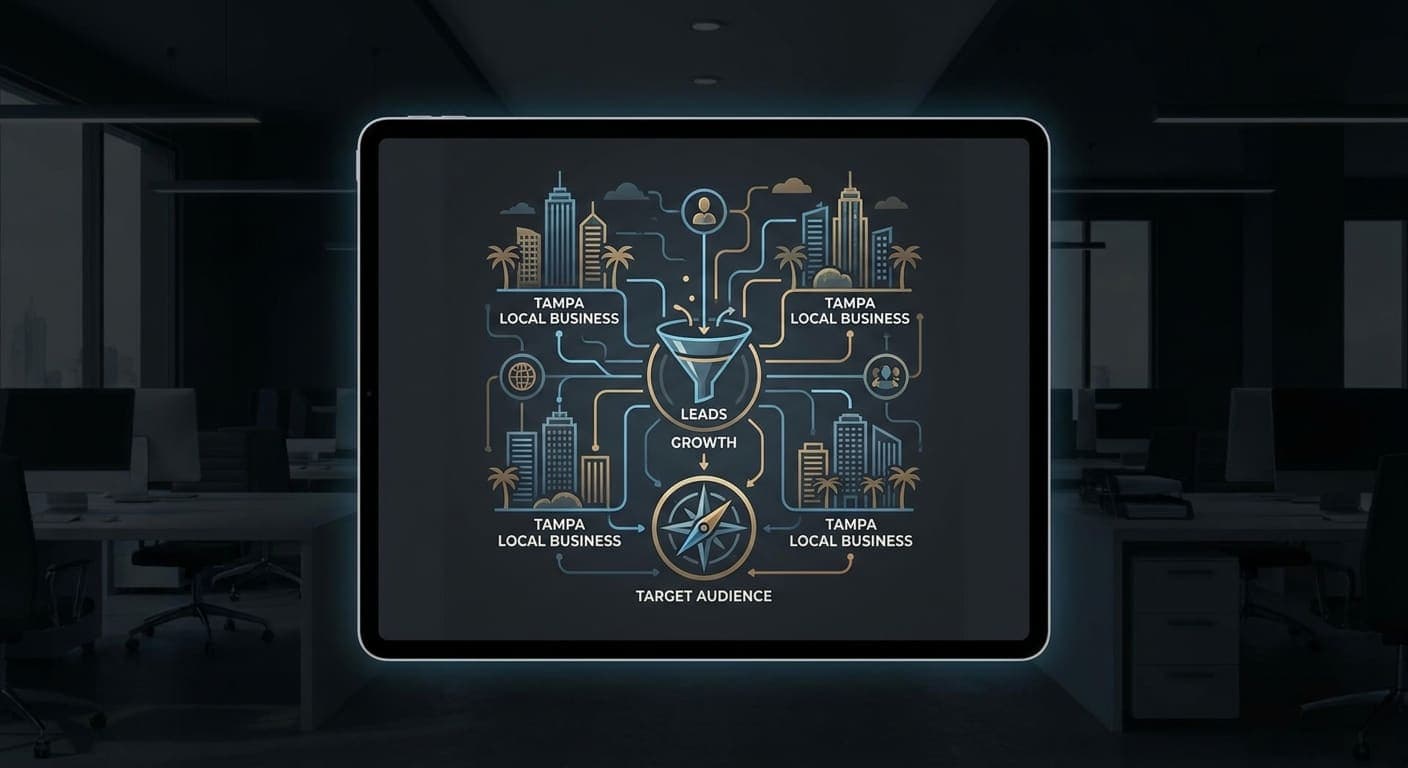
Tampa Bay Digital Infrastructure: Build Workflows Before Growth
Tampa Bay is planning for digital infrastructure and maritime growth. Local businesses can prepare by connecting the workflows behind every customer.
Read the article: Tampa Bay Digital Infrastructure: Build Workflows Before Growth
