Charlotte CLT Beyond: Build Workflows Before Airport Growth
Charlotte's proposed CLT Beyond program points to more commercial activity. Local operators should fix lead, quote, and follow-up workflows before demand arrives.

Charlotte Douglas International Airport is preparing for a much larger operating footprint. A proposed Airline Use and Lease Agreement would launch CLT Beyond, a program built around nearly a dozen airport projects and a reported $2.1 billion capital plan.
That plan is still moving through review. It is already a useful signal for Charlotte businesses, though. Airport expansion tends to create more vendor demand, more service requests, more visitors, and more handoffs between teams. Companies that still manage every lead, quote, and customer update by inbox will feel the pressure first.
The Charlotte market page already reflects the industries most exposed to that pressure: banking and finance, healthcare, motorsports and automotive, and manufacturing and distribution.
What CLT Beyond Signals for Charlotte Businesses
The Charlotte airport says the proposed program includes a new Concourse C, a passenger tunnel, international-arrivals renovations, airfield improvements, critical infrastructure upgrades, and planning for future terminal expansion. The airport also says CLT generates nearly $40 billion in annual economic impact and supports about 184,400 jobs across the Carolinas. Read the airport's October 8 update.
Local reporting described the capital program as about four times the size of the previous AULA program, with airport leaders targeting a January 2027 start if the agreement moves forward. Axios Charlotte's October 12 report explains the proposed scope and timeline.
This does not mean every Charlotte company needs to chase airport work. It does mean operators should expect more activity around transportation, facilities, hospitality, healthcare, construction, professional services, and the suppliers that support them.
The First Bottleneck Is Usually the Handoff
Growth rarely breaks a business because the team cannot do the work. It breaks when information gets lost between the first request and the next action.
For a Charlotte company serving airport-adjacent or fast-growing commercial accounts, watch these handoffs:
- A website form arrives, but nobody owns the follow-up.
- A quote request sits in an inbox while an operations lead is on a job.
- A new customer gets entered into the CRM without the details the delivery team needs.
- A scheduling change is communicated to one person instead of the whole account team.
- A completed job produces no reminder, review request, or next-service opportunity.
The proposed airport investment makes those gaps more expensive. A business that responds in minutes will look more reliable than one that responds tomorrow, even when both can deliver the same service.
Three Workflows to Build Before Demand Increases
1. Lead capture and qualification
Start with every way a prospect can reach you: website forms, phone calls, email, chat, and referrals. Put those requests into one queue, collect the few details needed to route them, and assign an owner immediately.
For a Charlotte manufacturer or distributor, that may mean collecting product category, delivery timing, facility location, and purchase volume. For a healthcare provider, it may mean routing the request by service type and appointment urgency. For an automotive business, it may mean separating sales inquiries from service requests before a human responds.
That is where AI automation services can help. The goal is not to make a chatbot perform every job. The goal is to make sure the right person receives a complete request with the next action already visible.
2. Quote-to-schedule handoff
Quotes often fail after the sales conversation, not during it. The customer says yes, then the request waits for a manual email, a spreadsheet update, or a second round of data entry.
Build a clear transition from accepted quote to scheduled work. Store the scope, location, deadline, documents, and customer preferences in the system your operations team actually uses. Trigger internal tasks and customer updates from the same event.
If your current website makes it hard to request a quote or understand what happens next, web development for Charlotte businesses is part of the fix. A faster, clearer site reduces the amount of explanation your team has to repeat before a qualified conversation begins.
3. CRM follow-up and account visibility
Charlotte's finance, healthcare, automotive, and distribution companies all depend on repeatable follow-up. A CRM should show which requests are new, which quotes are waiting, which jobs are scheduled, and which accounts need attention.
Connect those stages instead of asking people to remember them. A CRM integration workflow can create tasks, send approved updates, and flag stalled opportunities while keeping a human responsible for the relationship.
For a practical starting point, read Charlotte's new logistics campus: where AI automation creates immediate ROI. The same lead, quote, dispatch, and follow-up pattern applies beyond logistics.
Keep the Human Decisions Visible
Automation should make the next decision easier, not hide it. For airport vendors and other Charlotte operators, keep approval points visible for pricing, contract terms, compliance documents, service exceptions, and customer commitments.
That matters because the CLT agreement is not final yet. WFAE reported that Charlotte's mayor vetoed a council decision to delay the lease vote, while the proposed $2.1 billion program includes an expanded atrium, Concourse C, and a passenger tunnel. Read the October 12 WFAE report.
The right response is preparation, not speculation. Map the workflow you already run, identify the two handoffs that create the most delay, and automate those first. You can expand the system when the project advances and your demand is measurable.
What Charlotte Operators Should Do This Month
- List every source of new work and assign one owner for each request.
- Measure the time from inquiry to first response, quote, and scheduled next step.
- Connect accepted quotes to delivery tasks and customer updates.
- Build a simple CRM view for new, waiting, scheduled, and stalled work.
- Make sure your website explains the service, service area, and next step clearly.
CLT Beyond may take time to reach a final vote and construction schedule. Your workflow does not need to wait. If Charlotte growth is exposing slow follow-up or scattered customer information, talk with AnovaGrowth about building the first automation around the work your team already understands.
Related articles
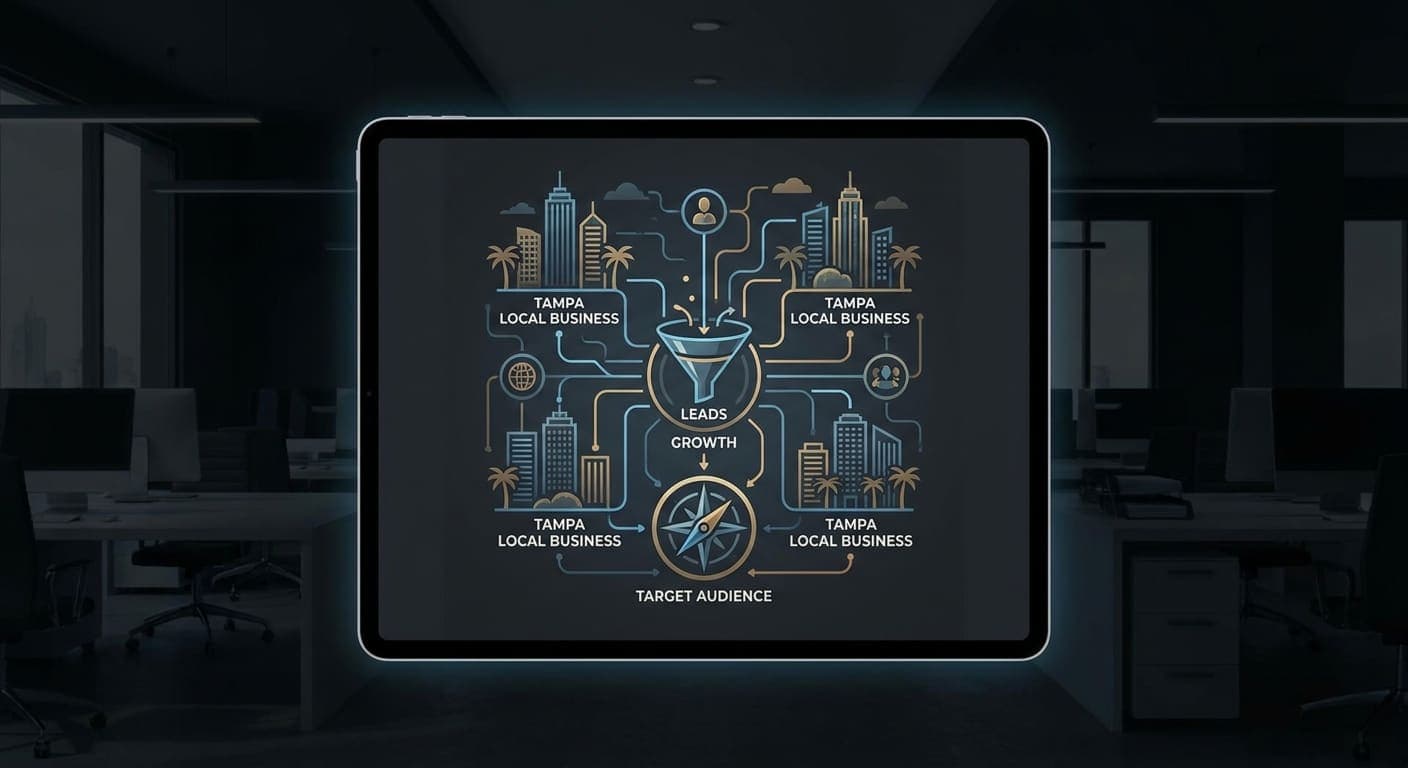
Tampa Bay Digital Infrastructure: Build Workflows Before Growth
Tampa Bay is planning for digital infrastructure and maritime growth. Local businesses can prepare by connecting the workflows behind every customer.
Read the article: Tampa Bay Digital Infrastructure: Build Workflows Before Growth
Service Business Sales Playbook: How to Build a Repeatable System That Doubles Your Team's Close Rate
A service business sales playbook turns your best rep's gut into the company default. Teams with a documented close process win 20-30% more quotes.
Read the article: Service Business Sales Playbook: How to Build a Repeatable System That Doubles Your Team's Close Rate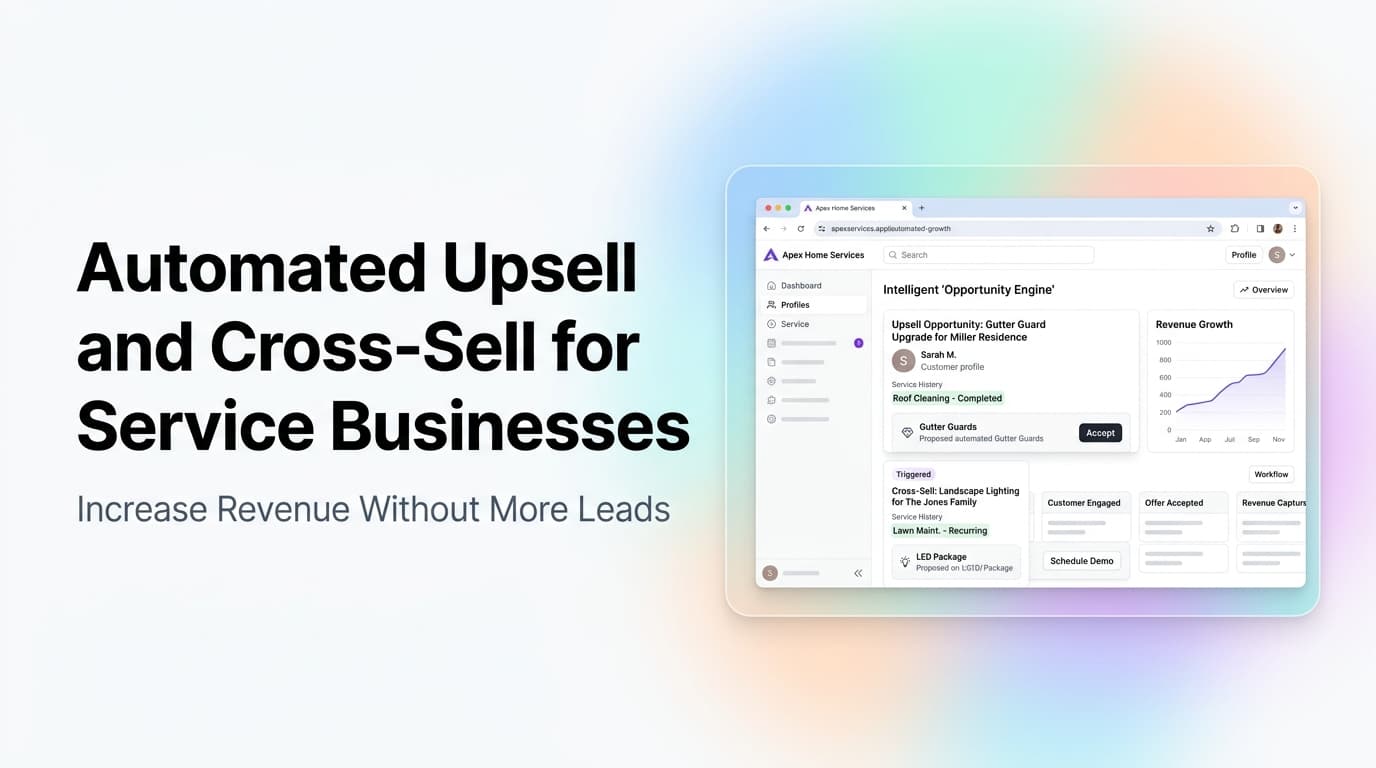
Automated Upsell and Cross-Sell for Service Businesses: Increase Revenue Without More Leads
Service businesses leave 20-40% of revenue on the table by not upselling. Automated upsell workflows capture that revenue without pushy sales tactics.
Read the article: Automated Upsell and Cross-Sell for Service Businesses: Increase Revenue Without More Leads
