Local SEO in 2026: What Actually Works Right Now
Traditional local SEO tactics are losing power as AI search reshapes how people find businesses. Here's what's working in 2026, and what's not.

Introduction
Local SEO used to be relatively straightforward. Get your Google Business Profile in order, collect some reviews, stuff yourNAP (Name, Address, Phone) into a few directories, and you'd show up.
2026 isn't that simple. AI-powered search is changing how people find businesses, they ask ChatGPT or Google AI questions instead of typing keywords, and they get direct answers instead of a list of links. For local businesses, this shift is both a threat and an opportunity.
If your SEO strategy is still built around 2019 tactics, you're probably losing ground without realizing it. Here's what's actually working in local SEO right now.
The Three Biggest Changes Shaping Local Search in 2026
1. AI Overviews are eating the traditional search results page. When someone searches "best HVAC repair in [city]," Google increasingly answers directly with an AI-generated overview, not a list of websites to click. If your business isn't mentioned in that overview, you might as well not exist for that searcher. Getting cited in AI overviews requires being present in the data sources that power them: authoritative directories, review platforms, and structured business information.
2. Conversational search queries are replacing keyword strings. People are asking questions now, not typing fragmented keywords. "Who fixes commercial refrigerators near me that's open Saturday" instead of "refrigerator repair [city]." Your content needs to answer questions in natural language, not just include keywords on a page.
3. Reviews are heavier than ever. AI search models pull heavily from review platforms to generate answers. A business with 200 reviews averaging 4.2 stars will get recommended over one with 10 reviews at 4.8 stars. Volume, recency, and response quality all factor in now.
What Still Works: The Local SEO Fundamentals That Haven't Changed
Despite the shifts, the core foundations still matter, arguably more than ever:
Google Business Profile optimization is non-negotiable. Every piece of information should be complete and accurate: services, hours, photos, posts, Q&A. Businesses with complete GBP profiles perform significantly better in both traditional and AI-generated search results.
Local content that answers real questions works. Write content that addresses what your customers actually ask. "What should I do if my AC freezes in summer?" is more valuable than a page that just says "HVAC repair services, call us." It gives AI search systems actual information to cite.
NAP consistency across the web still signals authority. Your business name, address, and phone number need to match exactly across your website, Google Business Profile, directories, and social accounts. Inconsistencies don't just hurt rankings, they confuse AI systems that are trying to verify your business.
Local backlinks from relevant sources still carry weight. A link from a local chamber of commerce, industry association, or regional publication tells search engines your business is real and rooted in the community.
What Doesn't Work Anymore
Keyword stuffing on service pages. It doesn't work and it makes your site look desperate. AI systems are sophisticated enough to recognize thin content written for search engines rather than actual customers.
Buying fake reviews or using review solicitation services that violate platform rules. Google can detect manipulation, and getting caught results in suppression, the opposite of what you want.
Generic directory submissions without strategy. Mass-submitting to low-quality directories wastes time and can actually hurt your visibility. Quality and relevance beat quantity.
How to Actually Measure Local SEO Progress
Most business owners fixate on ranking position, but in 2026 that's an incomplete metric. Track these instead:
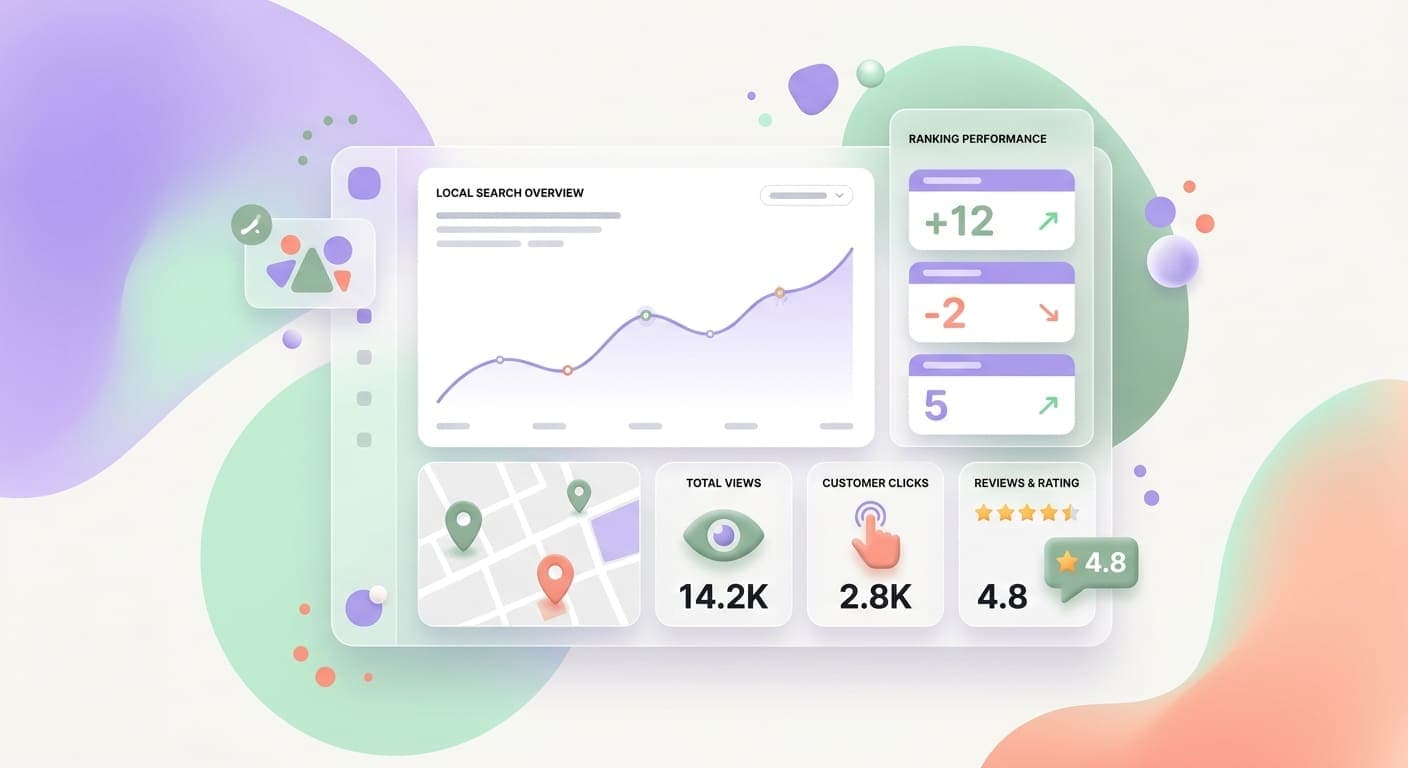
- Google Business Profile insights: searches, profile views, direction requests, phone calls
- Conversions from organic search: form submissions, phone calls, booked appointments
- AI overview citations: check whether your business appears in AI overviews for your key queries
- Review velocity and sentiment: are you accumulating reviews at a steady rate? What's the average rating trend?
Key Takeaways
-
AI overviews are the new first page. If your business isn't structured to be cited by AI search systems, you're invisible to a growing segment of searchers.
-
Conversational content beats keyword-stuffed pages. Write to answer real customer questions, not to rank for specific keyword strings.
-
Reviews are a top-ranking signal in 2026. Focus on accumulating genuine reviews at volume, it's both a visibility play and a trust play.
-
The fundamentals still matter, they're just being applied differently. Complete GBP data, consistent NAP, local content, and legitimate backlinks remain the foundation.
Conclusion
Local SEO in 2026 rewards businesses that are genuinely present and helpful online, not just optimized for robots. The businesses that will win are the ones that have accurate information everywhere, genuinely good reviews, and content that answers what their customers are actually asking.
If your local SEO hasn't been touched since 2021, it's time for a real evaluation, not just another round of the same tactics that used to work.
Want a clear picture of where your local SEO stands? Get in touch for an honest breakdown of what's working and what needs to change.
Related articles
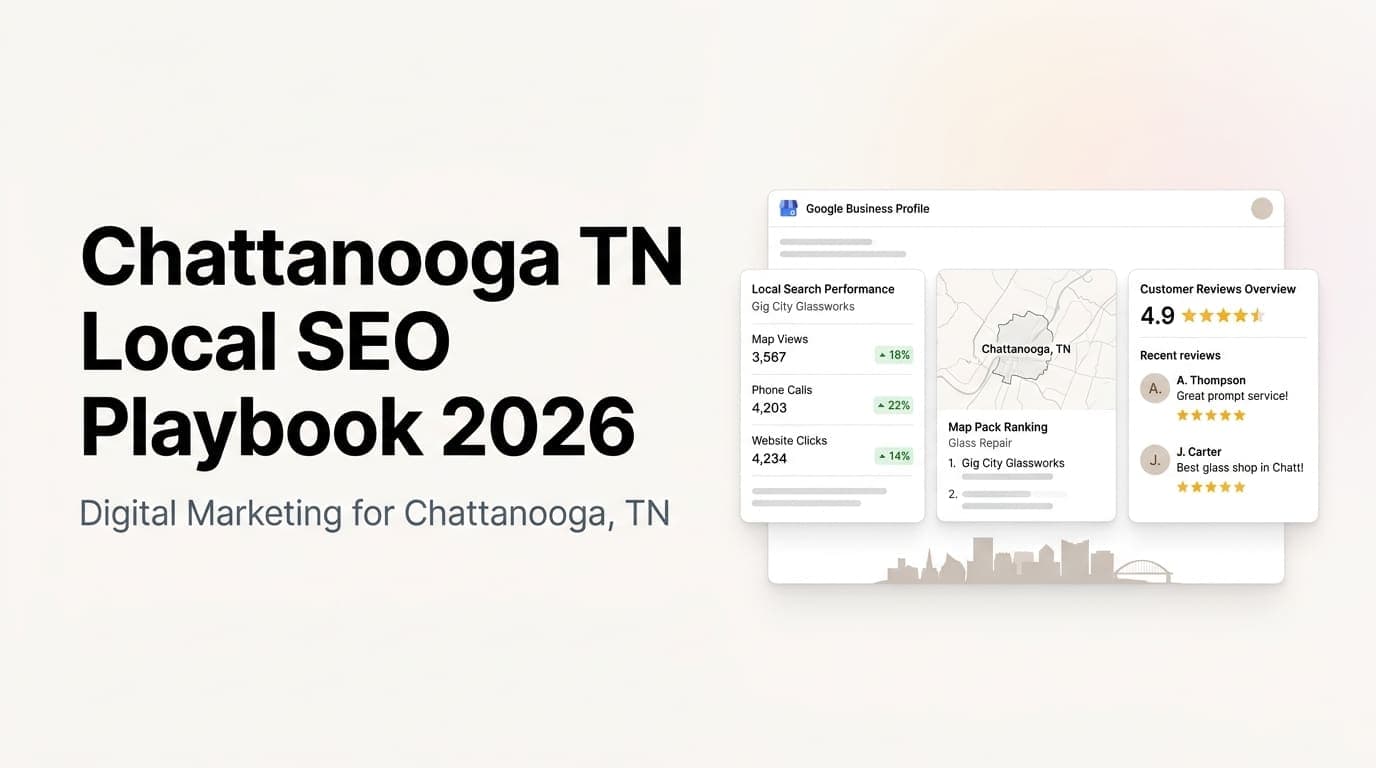
Chattanooga TN Local SEO in 2026: How to Win the Map Pack and the Phone Calls
Chattanooga businesses can dominate local search with the right GBP, review, and content signals. Here's the 2026 playbook for the Gig City market.
Read the article: Chattanooga TN Local SEO in 2026: How to Win the Map Pack and the Phone Calls
Why Rome, Georgia Businesses Need Digital Marketing That Actually Works
Rome GA businesses are discovering that generic marketing doesn't cut it. Here's what local companies need from a digital marketing partner.
Read the article: Why Rome, Georgia Businesses Need Digital Marketing That Actually Works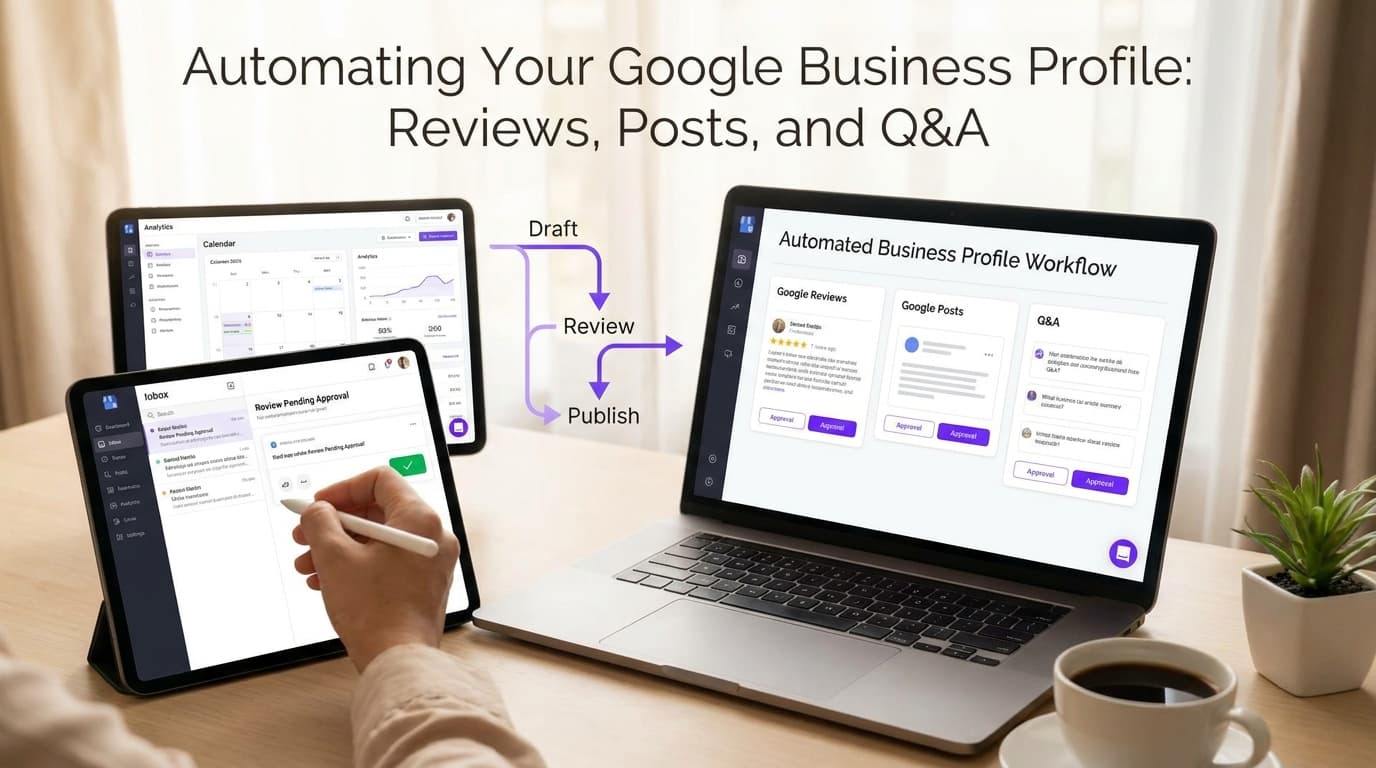
Automating Your Google Business Profile: Reviews, Posts, and Q&A
Learn how to automate reviews, posts, and Q&A on your Google Business Profile, saving time while boosting local visibility and customer engagement.
Read the article: Automating Your Google Business Profile: Reviews, Posts, and Q&A
