
Landing pages built around one offer, one audience, and one next step.
We build landing pages for paid campaigns, SEO topics, service offers, local campaigns, lead magnets, and launches where the traffic source and CTA need to match.
One offer, start to finish.
A landing page does one job for one audience. Many visitors arrive on a phone, so that is where we design it first.
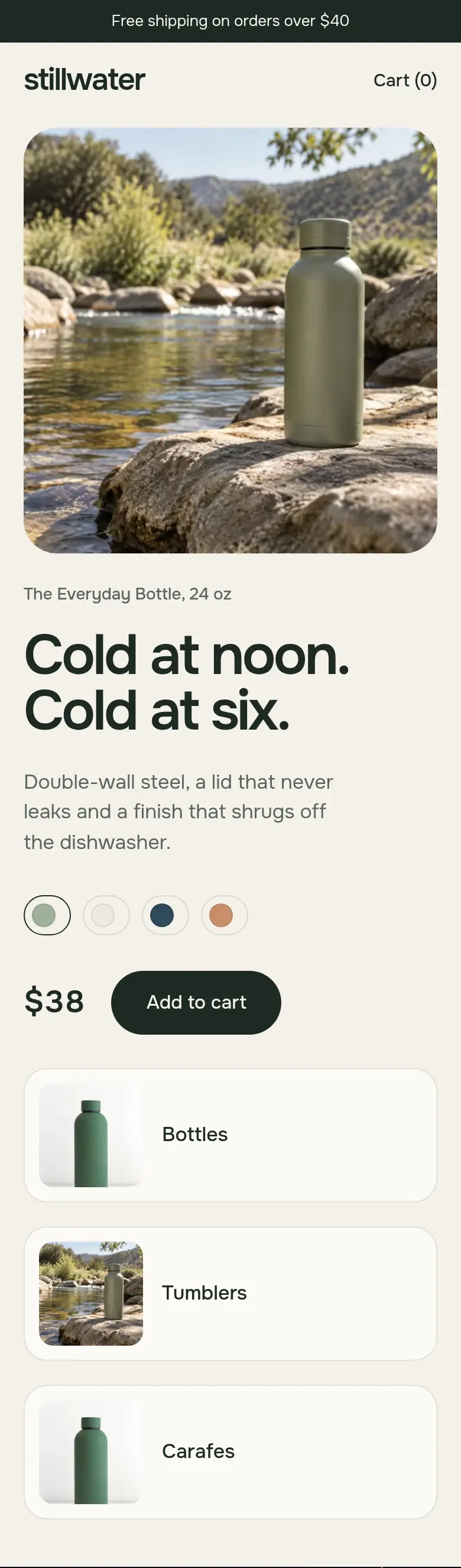
- One product, one promise. Nothing on the page points anywhere else.
- One next step. Repeated as the page scrolls, never competing with another.
- Proof near the price. Details and answers sit where doubt shows up.
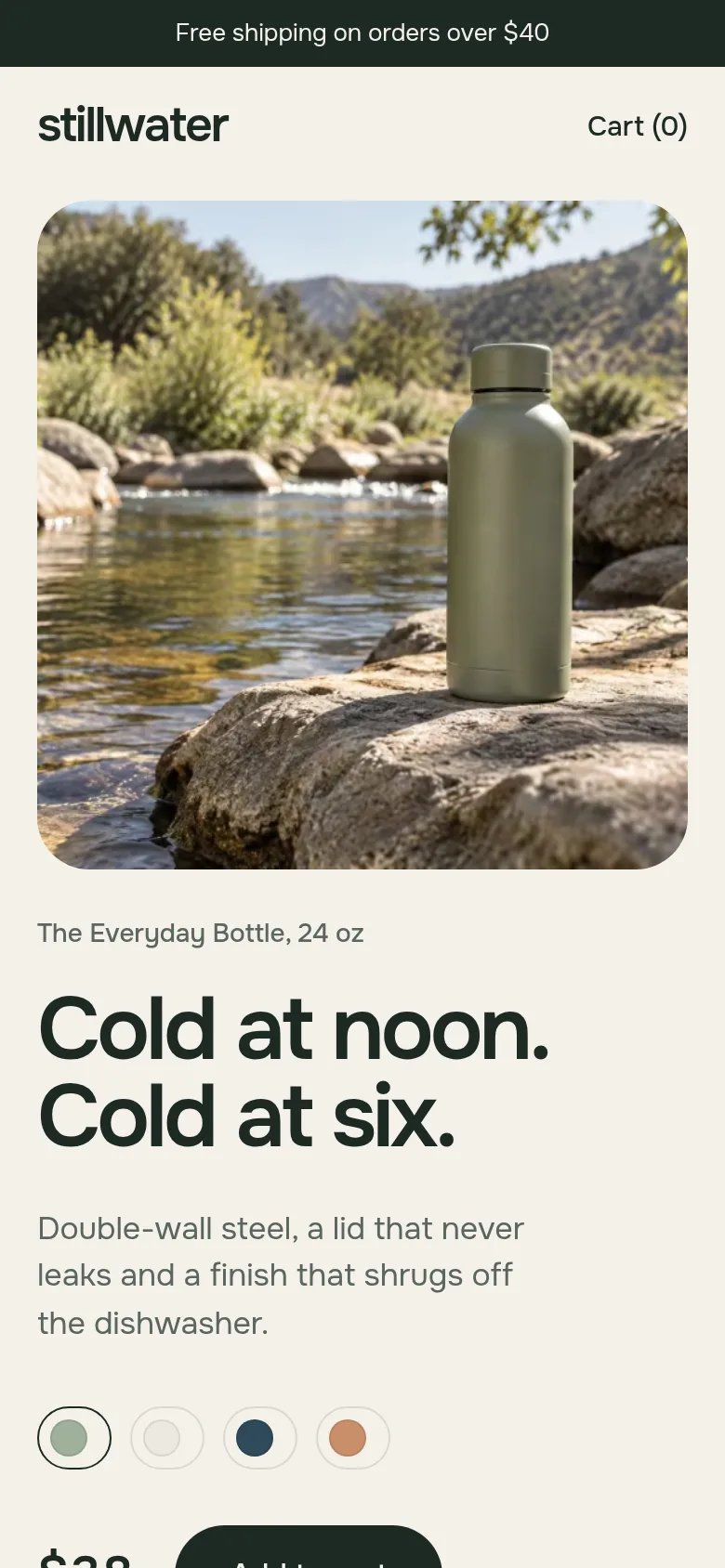
One page, one promise, one action.
Landing pages work when the message matches the ad, search, email, or social post that brought the visitor there.
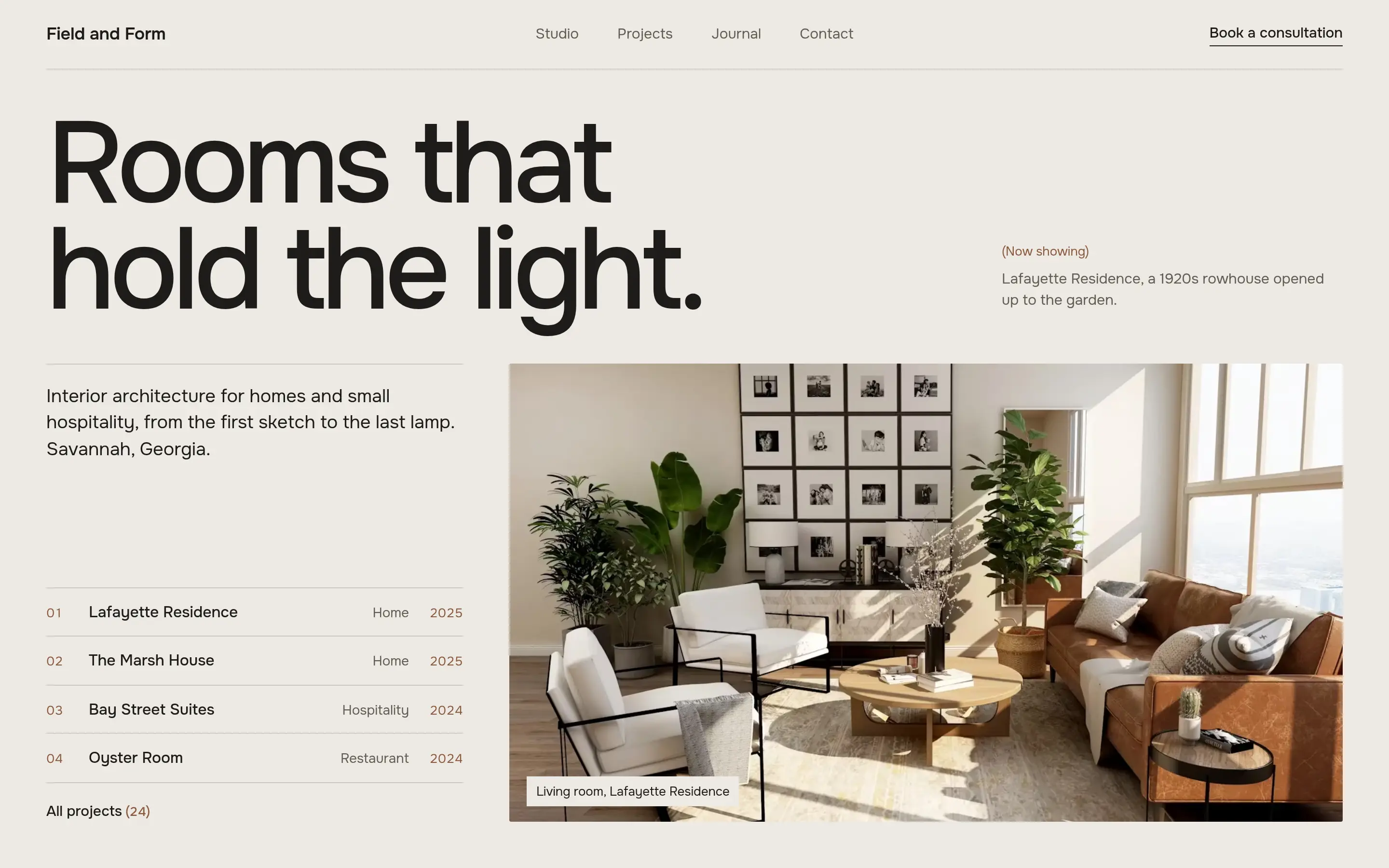
The page should make the offer believable.
We add the right proof, examples, process, and objections for the campaign rather than copying the homepage.
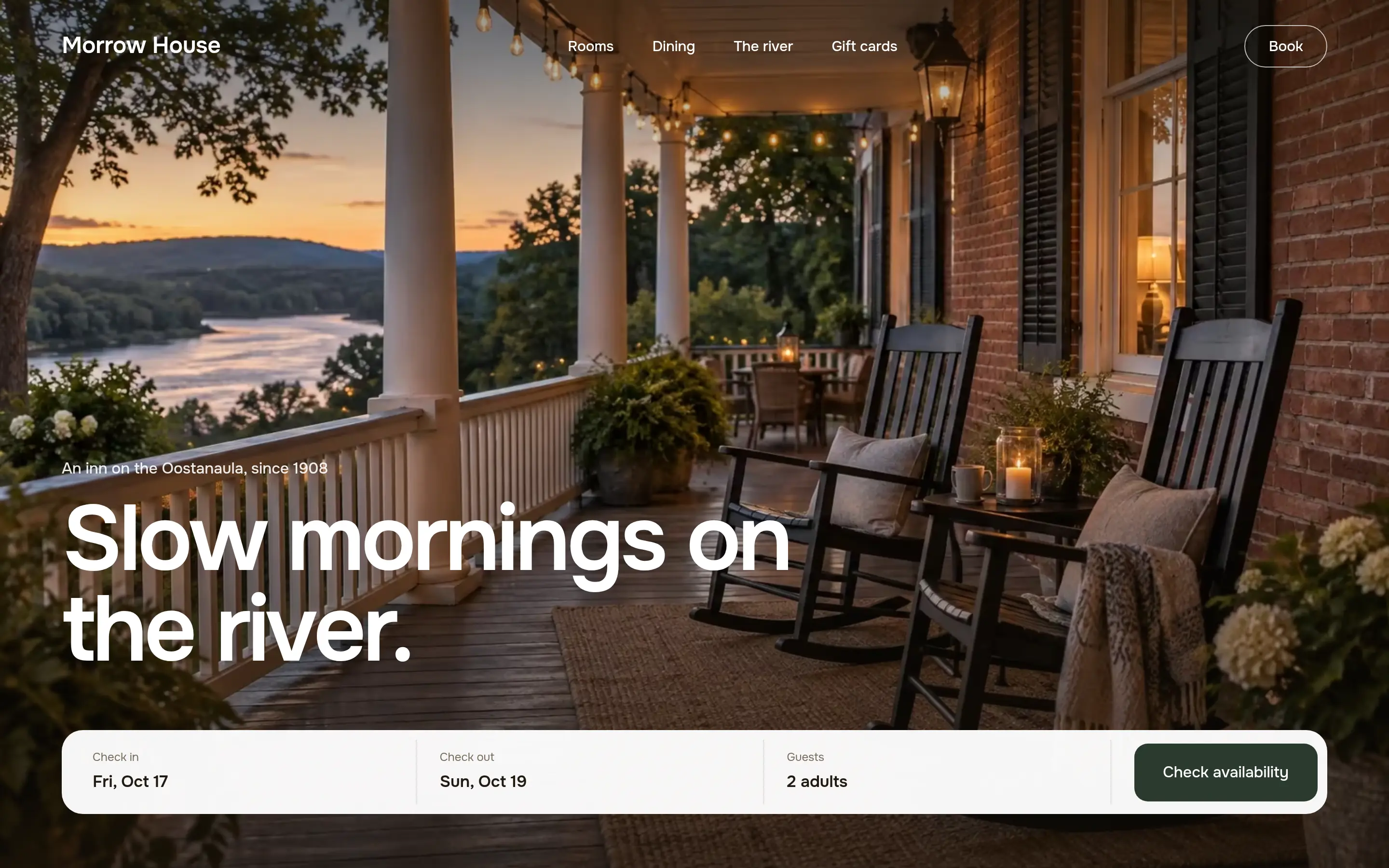
A campaign page needs measurement.
Forms, analytics, conversion events, and CRM handoffs should be built in from the start.

- 1
Map the visitor question
We name what the buyer is trying to understand before the page is designed.
Clarity first
- 2
Design the trust path
Proof, process, objections, and CTAs are placed where hesitation usually appears.
Less guessing
- 3
Build for speed and search
The page ships with fast rendering, metadata, schema, internal links, and mobile checks.
Ready to index
- 4
Connect intake
Forms, tracking, notifications, and follow-up are planned as part of the page.
No dead-end leads
Do you build websites for businesses outside Rome, Georgia?
Yes. AnovaGrowth is based in Rome, Georgia and builds websites for companies across the United States. Local pages handle city-specific searches, while this website category is national.
Can you connect the website to our CRM or intake process?
Yes. We can connect forms, booking requests, lead notifications, follow-up sequences, and CRM fields so the website becomes part of the operating system, not just a public brochure.
Do you include SEO in website builds?
Yes. Page hierarchy, metadata, schema, internal links, speed, mobile UX, and conversion flow are planned during the build. SEO is not treated as a plugin added at the end.

A high-converting landing page focuses on one audience, one offer, and one next action. It should match the traffic source, remove distractions, prove relevance, and track the result.