
Conversion-focused websites that move visitors from interest to action.
We build pages around the psychological sequence: clear promise, relevant proof, objection handling, simple next step, and follow-up path.
Short forms get finished.
Every field costs a few visitors. We ask for what the next step needs, one small question at a time.
- Step 1 of 3What do you need?RepairTune-upNew system
- Step 2 of 3When works?TodayThis weekJust a quote
- Step 3 of 3Where should we call?(706) 555 0188
- Booked. We will text you a time.Three taps and a phone number, instead of a long form.
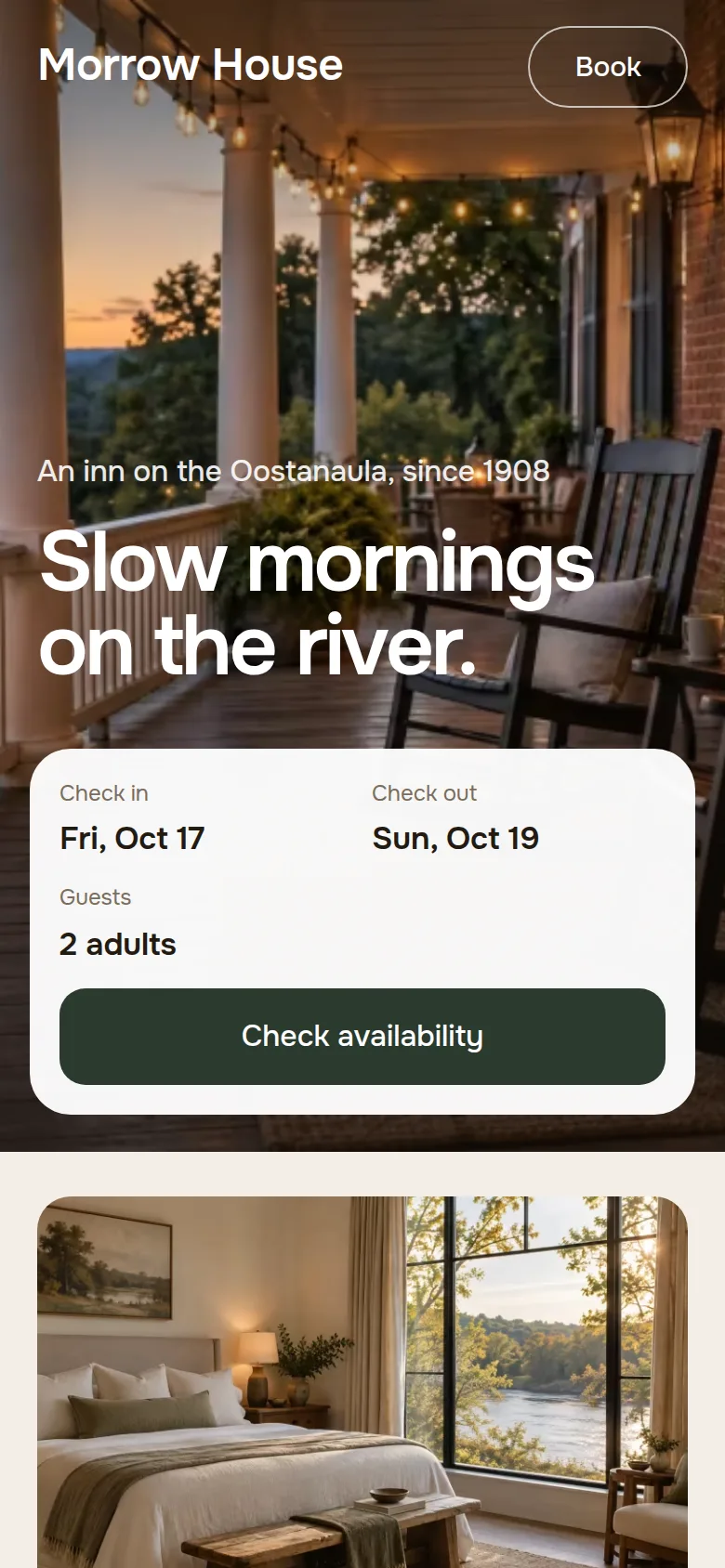
The first screen should make the value obvious.
We replace vague claims with a clear promise, specific audience, concrete outcome, and next step.
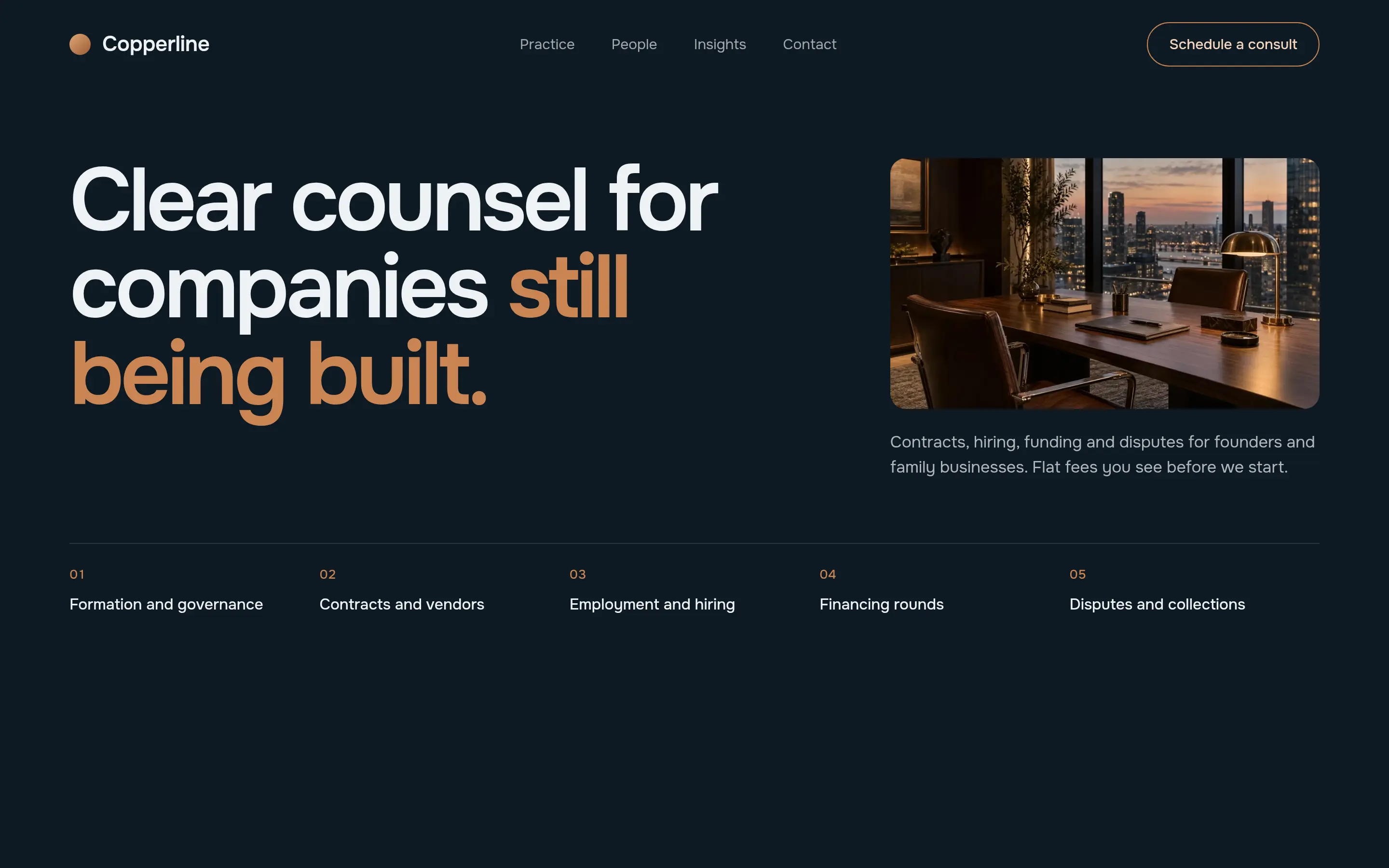
Trust should appear before the visitor hesitates.
The page needs proof, process, examples, and practical details close to the claims they support.
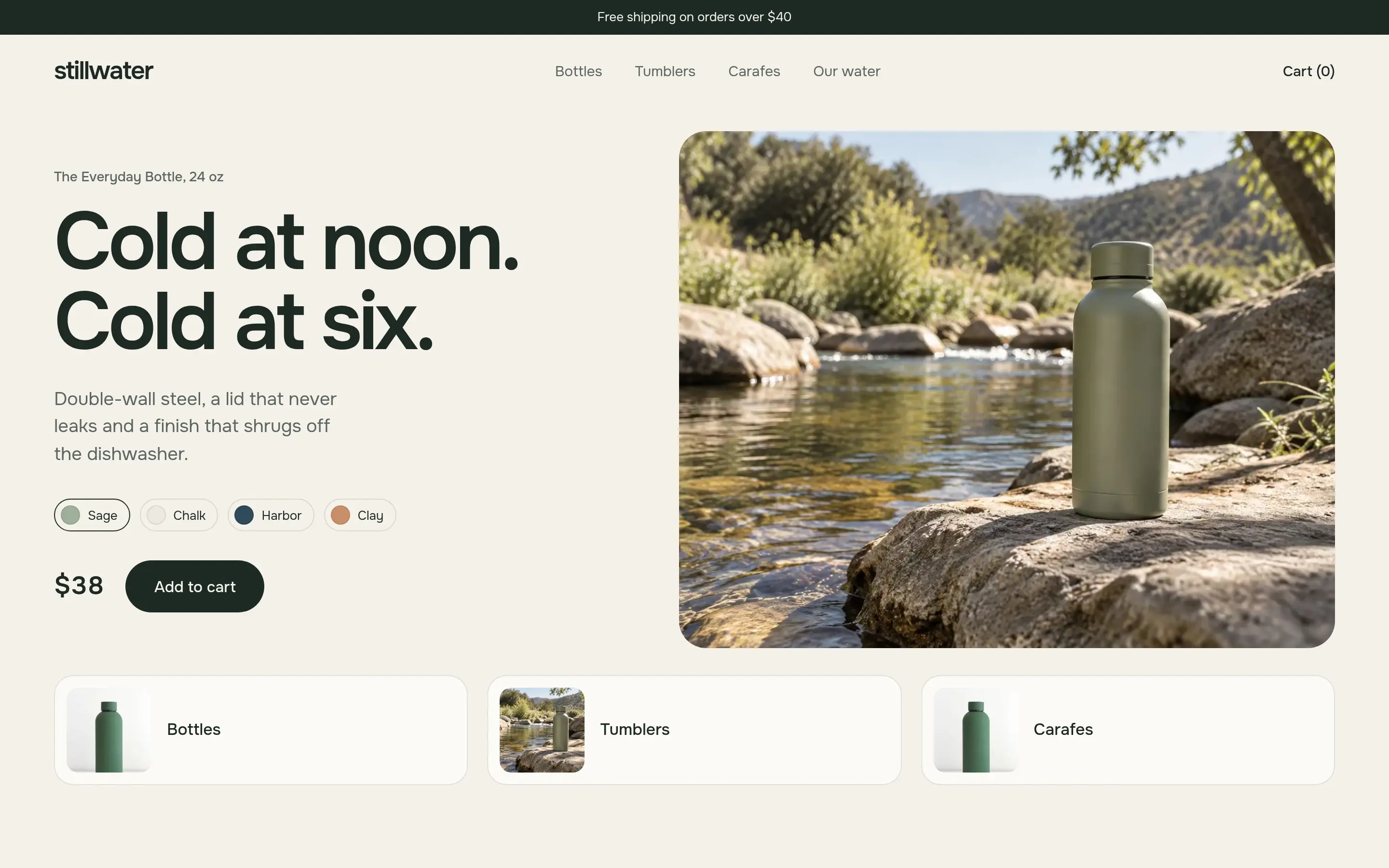
The form should start a workflow.
Lead capture should collect useful context, route the request, and make follow-up easier for the business.

- 1
Map the visitor question
We name what the buyer is trying to understand before the page is designed.
Clarity first
- 2
Design the trust path
Proof, process, objections, and CTAs are placed where hesitation usually appears.
Less guessing
- 3
Build for speed and search
The page ships with fast rendering, metadata, schema, internal links, and mobile checks.
Ready to index
- 4
Connect intake
Forms, tracking, notifications, and follow-up are planned as part of the page.
No dead-end leads
Do you build websites for businesses outside Rome, Georgia?
Yes. AnovaGrowth is based in Rome, Georgia and builds websites for companies across the United States. Local pages handle city-specific searches, while this website category is national.
Can you connect the website to our CRM or intake process?
Yes. We can connect forms, booking requests, lead notifications, follow-up sequences, and CRM fields so the website becomes part of the operating system, not just a public brochure.
Do you include SEO in website builds?
Yes. Page hierarchy, metadata, schema, internal links, speed, mobile UX, and conversion flow are planned during the build. SEO is not treated as a plugin added at the end.

A conversion-focused website reduces confusion and friction. It gives visitors a clear reason to care, shows proof at the right moment, answers objections, and makes the next action easy to take.